Products
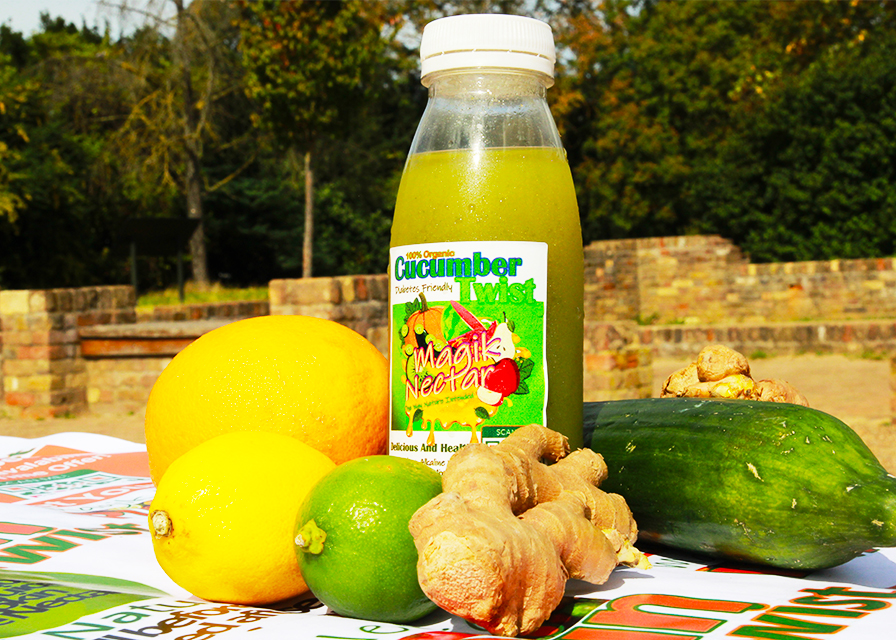
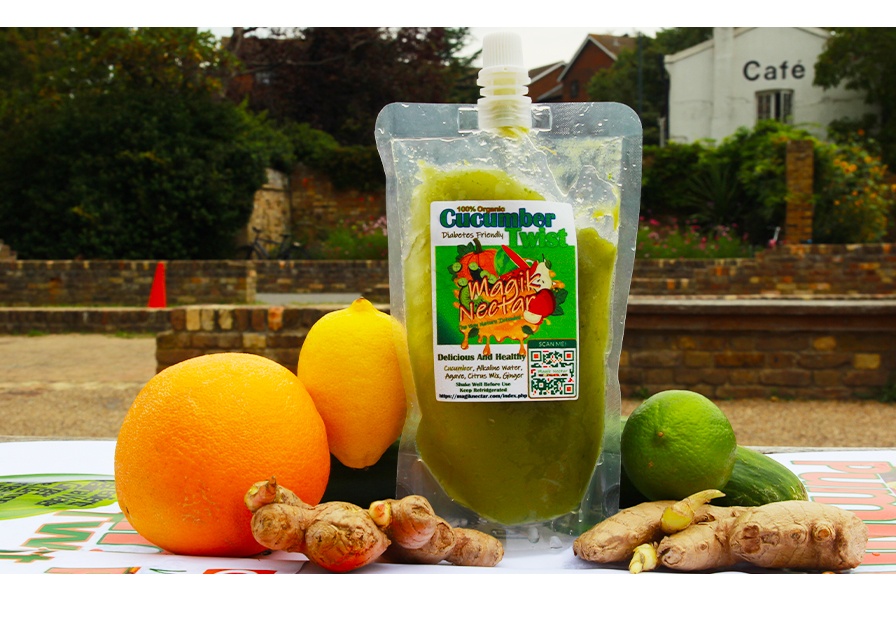
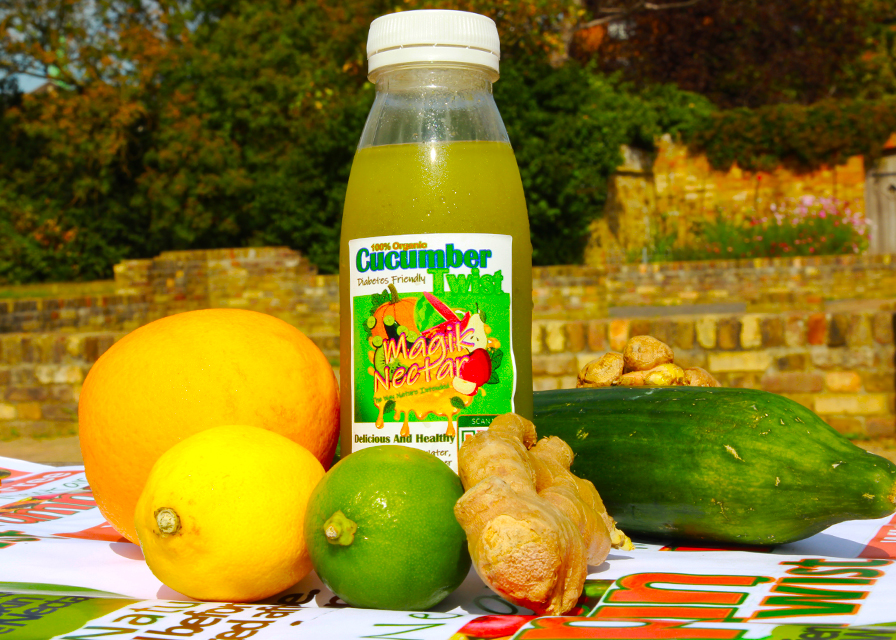
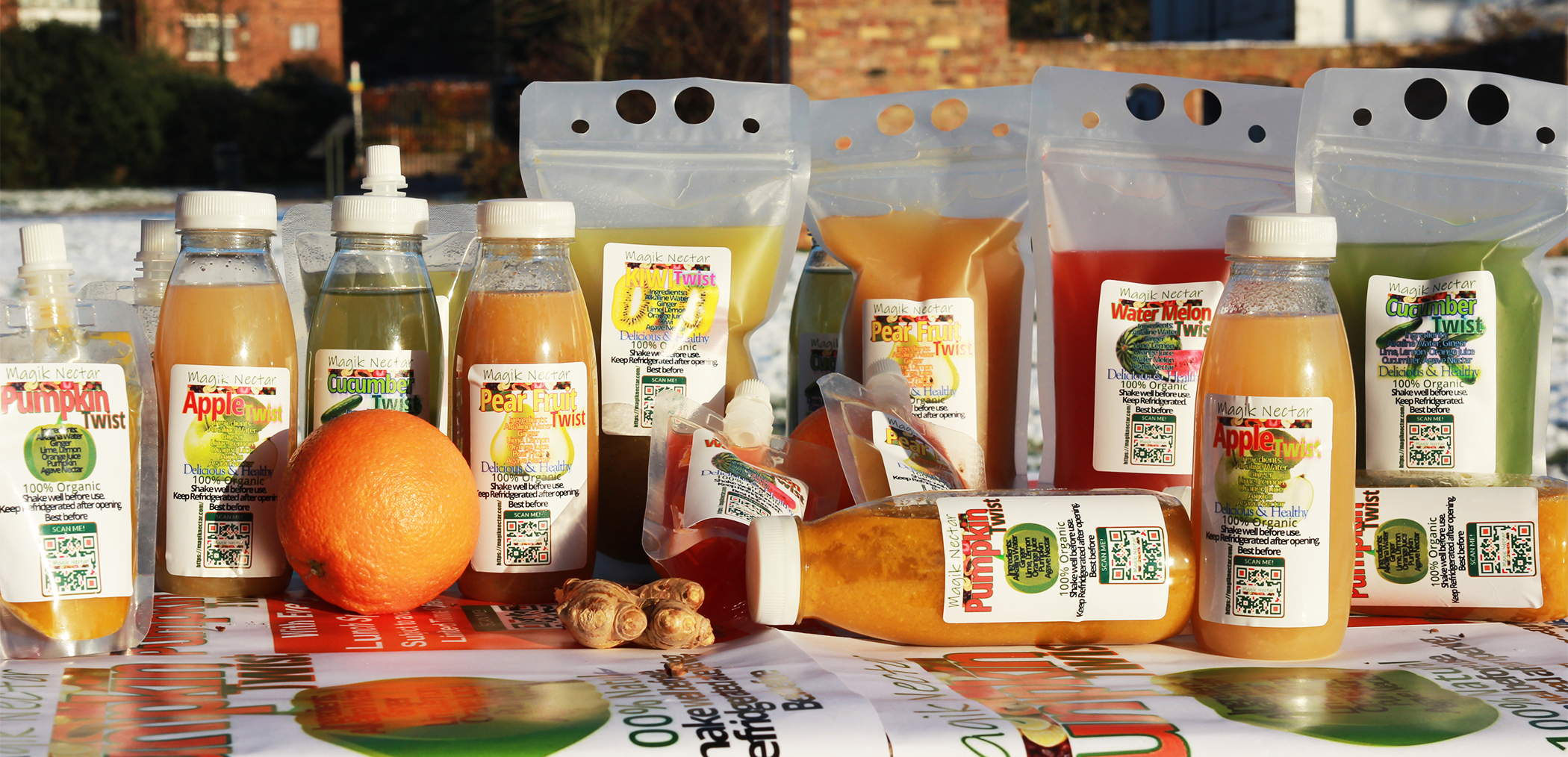
Cucumber Twist
Product Details
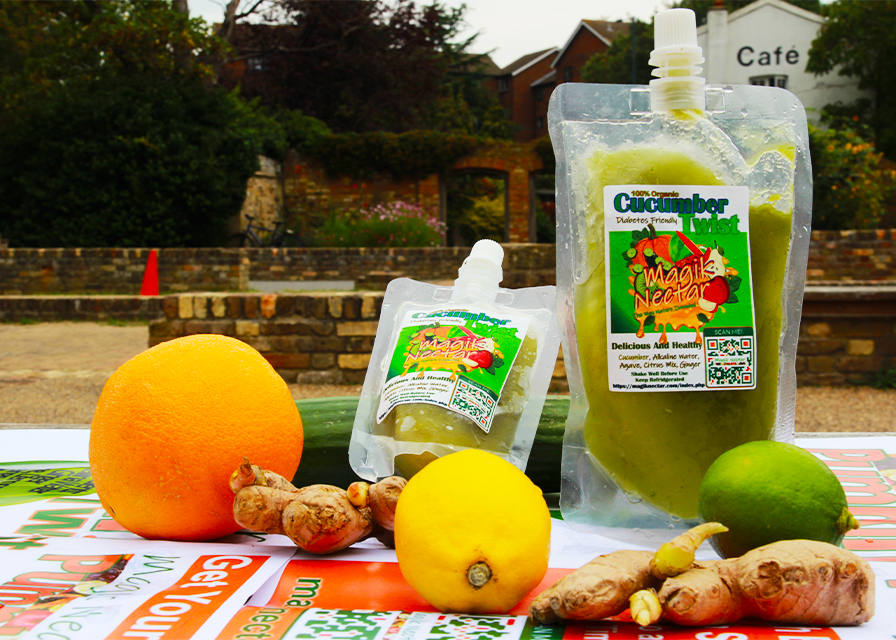
Name:
Cucumber Twist
Sizes :
cumcumber shot 100ML ££2.50, Medium Cucumber Twist 300ML ££4.50, Large Cucumber Twist 500ML ££6.25,Benefits:
100% Natural Cucumber Juice
Alkaline Water
100% Natural Citrus Juice Mix
100% Natural Ginger Juice
Agave Nectar
Gluton Free
Vegan Friendly
No Sugar
Description:
Our choices of Juice Twists were not randomly selected. The team at Magik Nectar is of the opinion that people’s immune systems are severely compromised as a result of poor dieting choices due to widespread ignorance relating to food. Simply put; we are ignorant about what our bodies require to perform at their optimum. The Magik Nectar range of Juice twists were selected specifically to address our immune requirements. We Satisfy Your Taste Buds And Your Body’s Nutritional Needs.
What Are Cucumbers?
Cucumbers are popular long, lean, and green garden vegetables. Technically, they’re fruits from the same family as watermelons and pumpkins, but most people consider them veggies.
Cucumbers are native to India, have a slight melon-like taste, and sometimes can be slightly bitter.
Cucumber Types
There are two main types:
Slicing cucumbers are eaten fresh, often in a salad. They can be 12 inches or longer and usually have smooth skin. There are "burpless" varieties that have less of a plant compound called cucurbitacin. That gives them a milder taste, and it may make you burp less after you eat them. You may also hear them called “seedless cucumbers” or “European cucumbers.”
Pickling cucumbers are much smaller and are the type used to make pickles. They can be 3-7 inches long, and they typically have bumps or spines on their skin.
Nutritional Benefits of Cucumber
A serving of cucumber -- one-half a cup -- is about 8 calories. They have small amounts of vitamin K and vitamin A and are about 95% water. They also have several phytonutrients (plant chemicals) called lignans.
One medium unpeeled, raw cucumber has the following; 30 Calories, Total fat 0 gram, Carbs 6 grams, Protein 3 grams, Fiber 2 grams, Vitamin C 10% of the recommended daily value, Vitamin K 57% of the DV, Magnesium 9% of the DV, Potassium 12% of the DV, Manganese 9% of the DV.
Health Benefits of Cucumber
All that water in cucumbers can help keep you hydrated. Plus, the fiber boost they give you helps you stay regular and avoid constipation. The vitamin K helps blood clot and keep your bones healthy. Vitamin A has many jobs, like helping with vision, the immune system, and reproduction. It also makes sure organs like your heart, lungs, and kidneys work the way they should. The lignans may help prevent osteoporosis, heart disease, and some cancers. Antioxidants such as beta carotene in cucumbers can help fight free radicals in your body, unpaired electrons that damage cells and can lead to disease. Cucumbers may also have health benefits outside your body. Putting them on your skin may help ease sunburn pain, swelling, and damaged skin. That's why people sometimes put a slice or two under their eyes, hoping to shrink bags and ease puffiness.
Risks of Cucumber
There are few risks to eating cucumbers. One concern may be the pesticides growers use on them. Before you eat them, peel the skin off or wash it in warm running water. That’ll make sure your cucumber is safe to enjoy.
Cucumbers come with a natural wax on their skin. Washing cucumbers after picking them takes away that wax, so producers add a synthetic wax back on before sending them to grocery stores. The wax helps them stay shelf stable longer, but it also holds onto germs. The wax itself isn’t harmful, but peeling the skin before you eat the cucumber can lower the risk of contamination. However, the skin is where most of the nutrients live. A better option may be to buy organic and wash your cukes well before enjoying.
How to Prepare and Store Cucumbers
Most people wash, slice, and toss their cucumbers into a salad. Before you do, you may want to soak them in salt water first. That will lower the amount of water in them and keep the cucumbers from making your salad dressing watery.
You can eat the peel of a cucumber. In fact, it will add fiber and vitamin A to your diet. Just be sure to wash the cucumber first.
When you shop for cucumbers, skip ones that are yellow, puffy, or have sunk-in areas, bulges, or wrinkled ends. Those overripe cucumbers won't taste great. Instead, look for bright, firm, medium to dark-green, slender cucumbers. Any bruises or dark spots are signs of decay.
Store cucumbers unpeeled in your refrigerator's crisper drawer. If they have a wax coating that gives them a shiny look, use them within a week. If they don't have a wax coating, use them sooner. Don't keep them out at room temperature long, or they will become soft and limp.
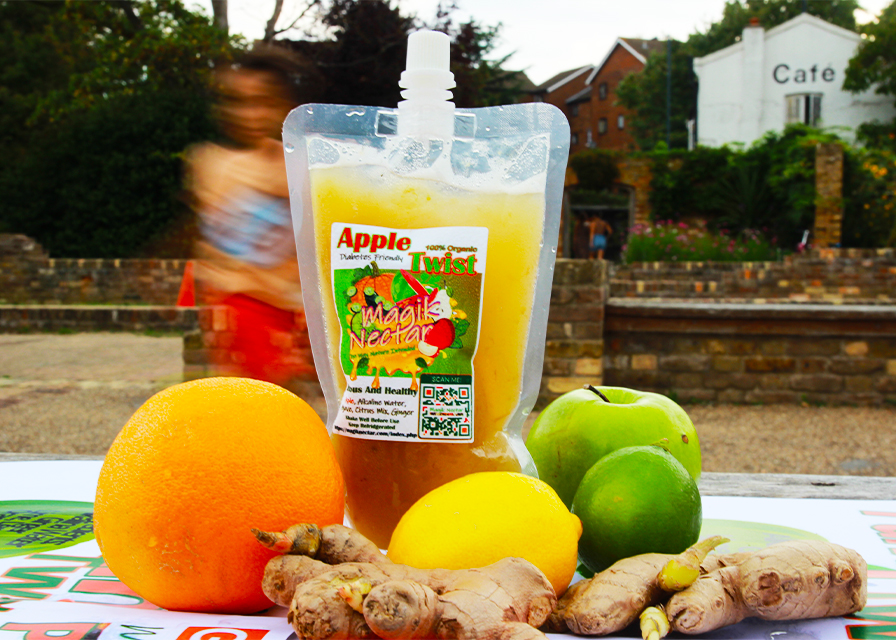
Apple Twist
Product Details
Name:
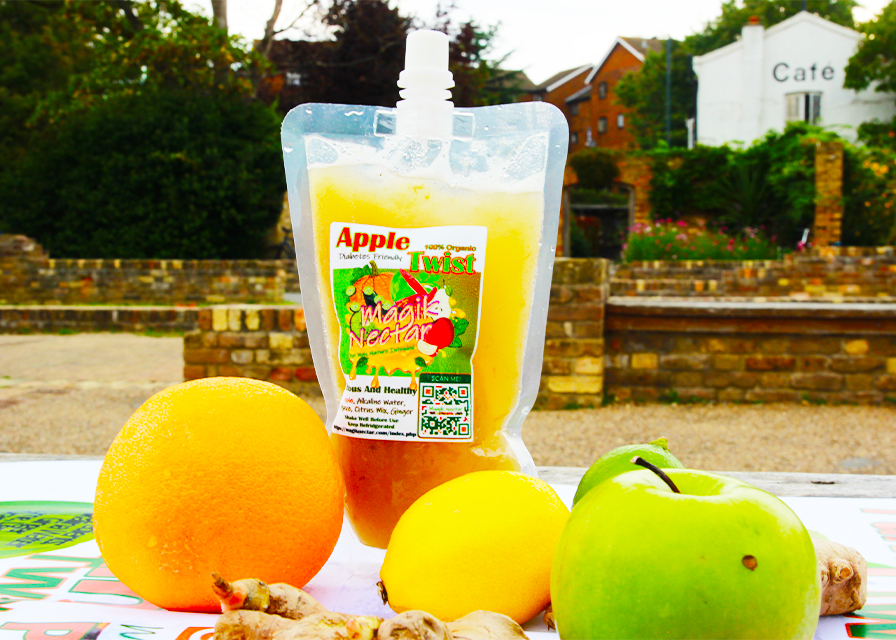
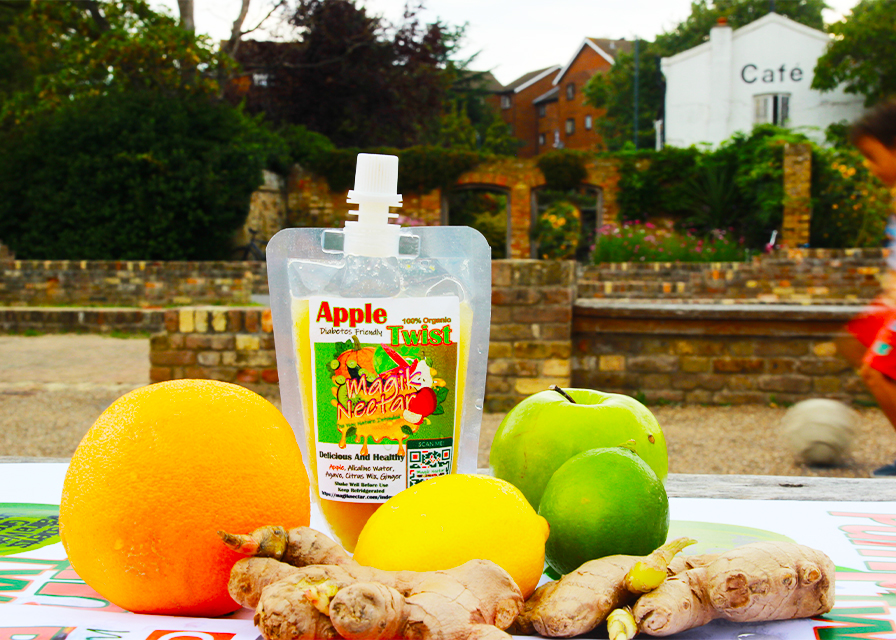
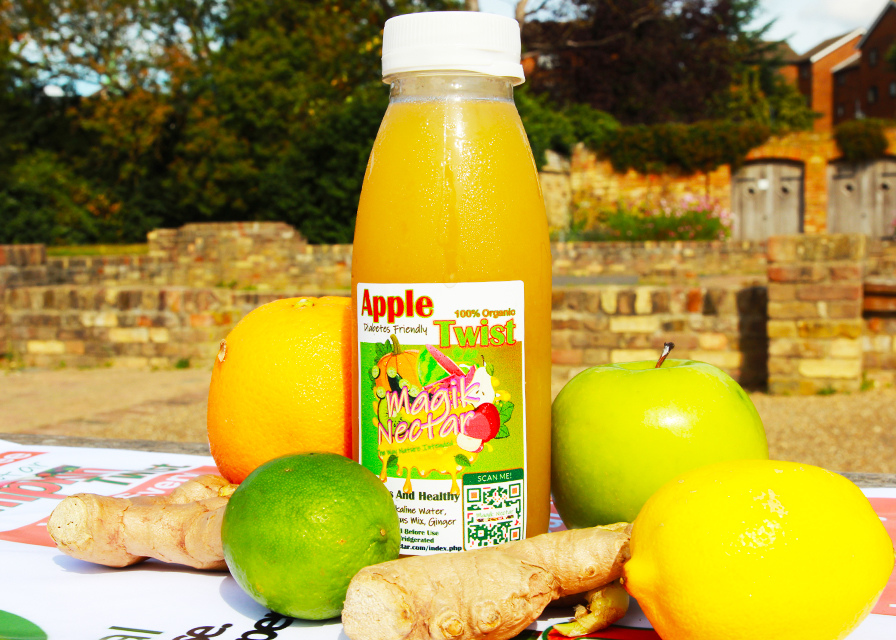
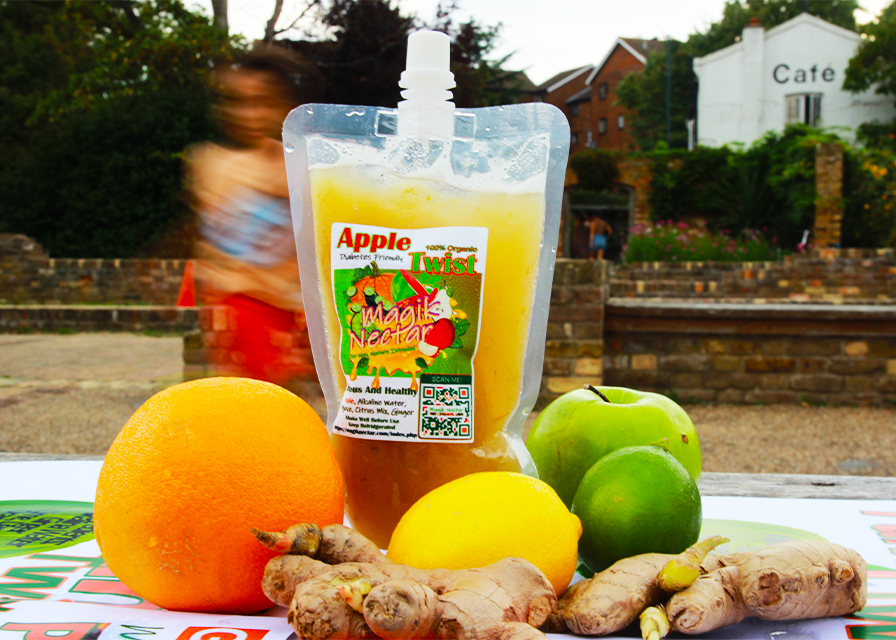
Apple Twist
Sizes :
Apple Twist Shot 100ML ££2.50, Medium Apple Twist 300ML ££4.50, Large Apple Twist 500ML ££6.25,Benefits:
100% Natural Apple Juice
Alkaline Water
100% Natural Citrus Juice Mix
100% Natural Ginger Juice
Agave Nectar
Gluton Free
Vegan Friendly
No Sugar
Description:
Our choices of Juice Twists were not randomly selected. The team at Magik Nectar is of the opinion that people’s immune systems are severely compromised as a result of poor dieting choices due to widespread ignorance relating to food. Simply put; we are ignorant about what our bodies require to perform at their optimum. The Magik Nectar range of Juice twists were selected specifically to address our immune requirements. We Satisfy Your Taste Buds And Your Body’s Nutritional Needs.
What Is an Apple?
An apple is a crunchy, bright-colored fruit, one of the most popular in the western hemisphere. You’ve probably heard the old adage; “An apple a day keeps the doctor away.” Although eating apples isn’t a cure-all, it is good for your health.
European settlers brought apples with them to the Americas. They preferred them to North America’s native crabapple, a small, tarter fruit.
Today, many types of apples are grown around the world but a small percentage of the ones you can buy in grocery stores are imported. Each type of apple has a different shape, color, and texture.
An apple can be sweet or sour, and its flavor can vary depending on what type you’re eating.
There are lots o different apple varieties, including Red Delicious, McIntosh, Crispin, Gala, Granny Smith, Fuji, Honeycrisp. Here at Magik Nectar we are not partial; we use them all as long as they are organic.
Apple Health Benefits
Apples can do a lot for you, thanks to plant chemicals called flavonoids. And they have pectin, a fiber that breaks down in your gut. If you take off the apple’s skin before eating it, you won’t get as much of the fiber or flavonoids, which is why we remove the seeds and give you the entire fruit.
The fiber can slow digestion so you feel fuller after eating. This can keep you from overeating. Eating fiber-rich foods helps control symptoms and lessens the effects of acid reflux. An apple’s fiber can also help with diarrhea and constipation.
Some studies show that plant chemicals and the fiber of an apple peel protect against blood vessel and heart damage. They also can help lower your cholesterol, and they might protect your cells’ DNA from something called oxidative damage, which is one of the things that can lead to cancer.
Research shows the antioxidants in apples can slow the growth of cancer cells. And they can protect the cells in your pancreas, which can lower your chances of type 2 diabetes.
Scientists also give apples credit for helping your lung strength, your heart, help with asthma, bone health, your brain (easing symptoms of Alzheimer’s disease and age-related memory loss), your immune system, your gut health
You don’t need to be concerned about the sugar in apples. Although they have carbs that affect your blood sugar, these carbs are different from other sugars that strip away fiber that’s good for you.
Apple Nutrition
Apples are low in sodium, fat, and cholesterol. They don’t offer protein, but apples are a good source of vitamin C and fiber.
One medium apple has about 100 calories, 25 grams of carbohydrates, 4 grams of fiber, 19 grams of sugar and a variety of strong antioxidants
Risks
Although apples do have health benefits, eating too many of them (like anything) can be bad for you. Too much fruit can cause you to gain weight.
There are a few others things to keep in mind:
Pesticides. Apples are one of the fruits that have high pesticide residues because bugs and disease are more likely to affect them. It’s always best to wash fruit like apples before you eat them.
Seeds. You might’ve also heard that eating apple seeds or the core is bad for you. The seeds do have chemicals that turn into cyanide in your body, but you would have to crush and eat many seeds for them to harm you. In fact, an average adult would have to eat at least 150 crushed seeds for a risk of cyanide poisoning. The seeds are actually rich in protein and fiber.
Interactions. Apple juice can interact with the allergy drug fexofenadine (Allegra). The juice makes the medicine hard for your body to absorb.
You can enjoy your apple in many different ways, including; as slices, baked into apple chips, part of a pie, or in salads. But the best way by far is natural, eating as is or juicing with deliver the best benefit.
Kiwi Twist
Product Details
Name:
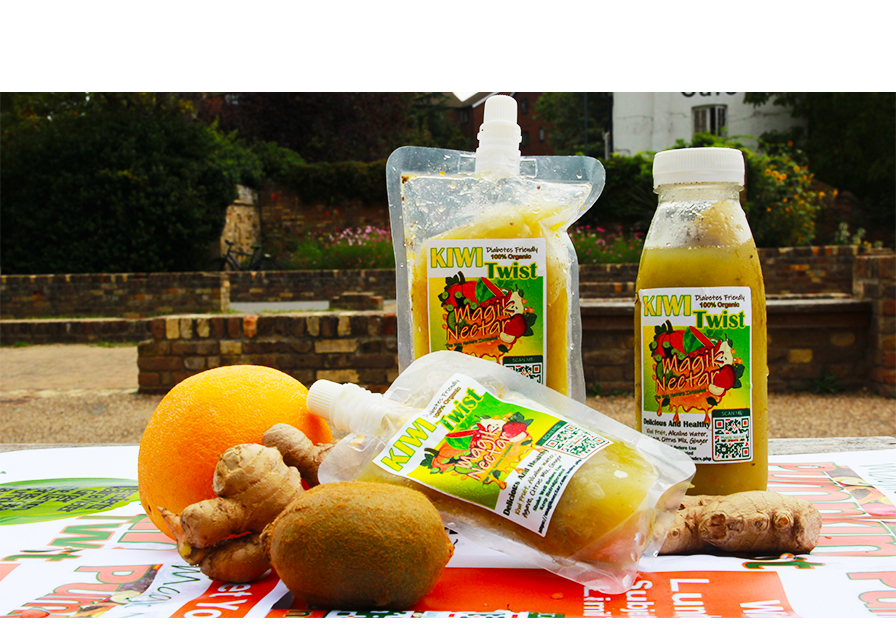
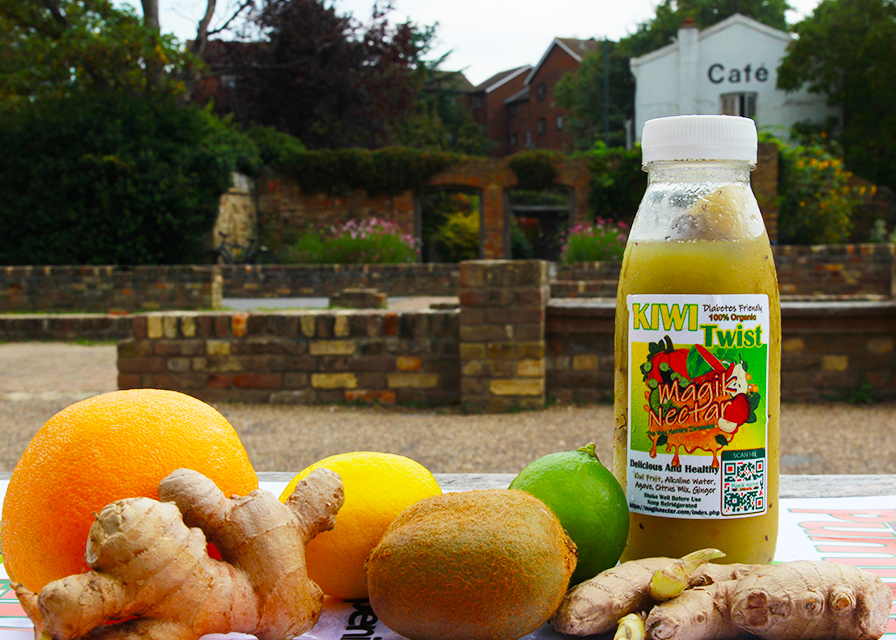
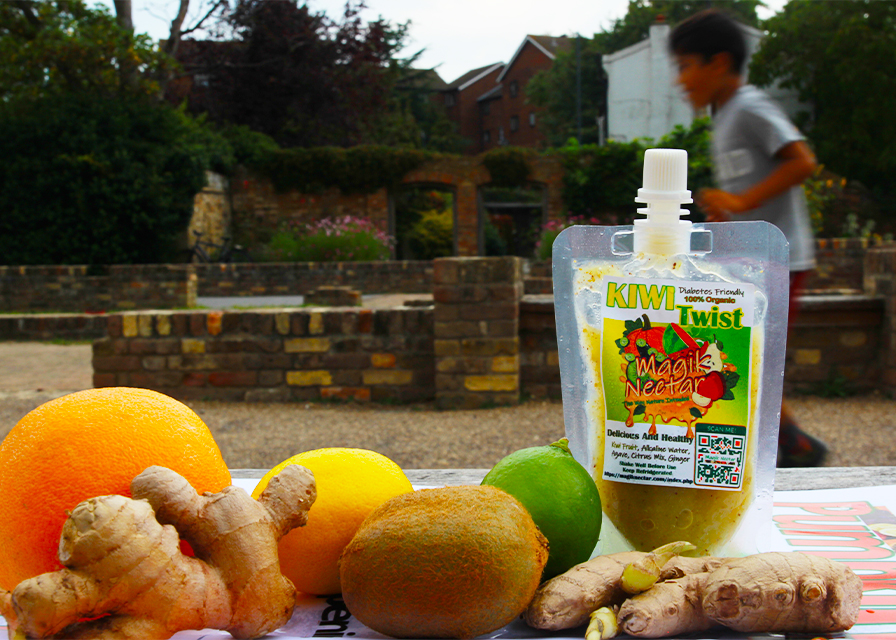
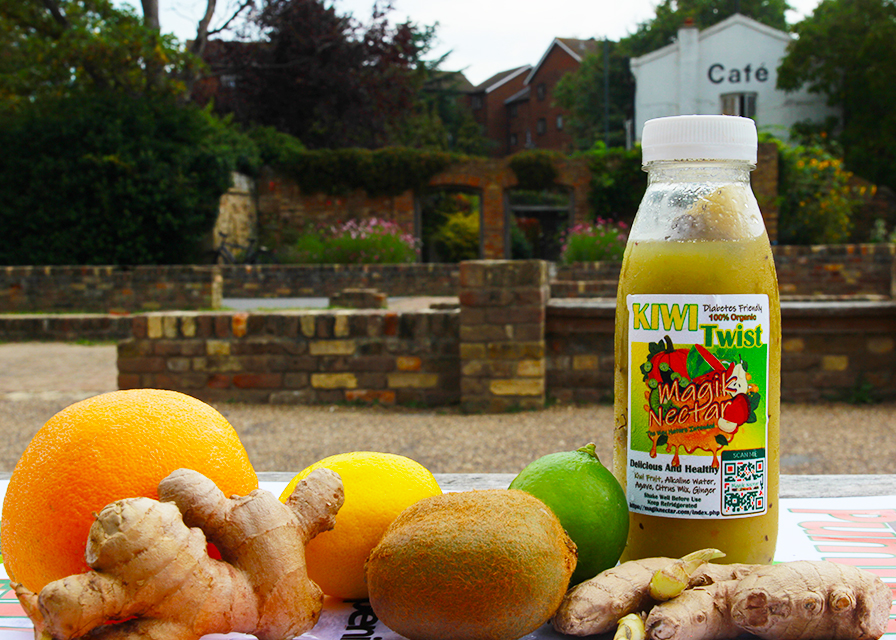
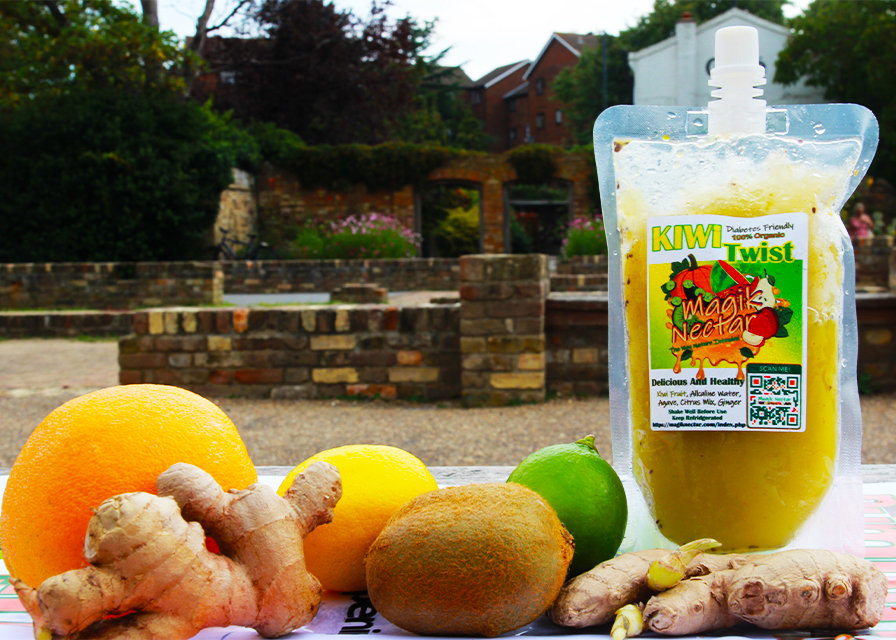
Kiwi Twist
Sizes :
Kiwi Twist Shot 100ML ££2.50, Medium Kiwi Twist 300ML ££4.50, Large Kiwi Twist 500ML ££6.25,Benefits:
100% Natural Kiwi Juice
Alkaline Water
100% Natural Citrus Juice Mix
100% Natural Ginger Juice
Agave Nectar
Gluton Free
Vegan Friendly
No Sugar
Description:
Our choices of Juice Twists were not randomly selected. The team at Magik Nectar is of the opinion that people’s immune systems are severely compromised as a result of poor dieting choices due to widespread ignorance relating to food. Simply put; we are ignorant about what our bodies require to perform at their optimum. The Magik Nectar range of Juice twists were selected specifically to address our immune requirements. We Satisfy Your Taste Buds And Your Body’s Nutritional Needs.
The kiwi – shortened from its full name, the kiwifruit – is actually a large berry that grows on a species of woody vine in the genus Actinidia. Kiwis have been famously cultivated in New Zealand, but this bold berry actually originated in eastern China.
The kiwi typically grows in the shape of an oval and is roughly around the size of a typical chicken egg. Its skin is camel-colored, fibrous, and coated in a light fuzz. Despite its fuzzy covering, the kiwi’s skin is edible and tart. The kiwi’s flesh is bright green with a unique but pleasing texture and rows of distinctive tiny black seeds, which can also be eaten. Kiwis have a sweet, tart, and bold taste — making them a popular addition to a healthy breakfast or lunch.
Kiwis are high in Vitamin C and dietary fiber and provide a variety of health benefits. This tart fruit can support heart health, digestive health, and immunity. The kiwi is a healthy choice of fruit and is rich with vitamins and antioxidants. Its tart flavor, pleasing texture, and low calorie count make it a delicious and healthy option for snacking, sides, or a unique dessert.
Health Benefits
The vitamins, fiber, and antioxidants can provide essential health benefits. The flesh is rich with vitamins that stimulate immunity and reduce the risk of disease. The soluble dietary fiber found in kiwis can help stimulate regular and healthy digestion. Kiwis can provide other health benefits like:
Immunity
Kiwi contains abundant amounts of Vitamin C, which stimulates the body’s immune response. In fact, the kiwifruit contains roughly 230% of the daily recommended intake of Vitamin C. This bold fruit provides a burst of immune-boosting nutrients in every bite. Kiwis are also rich in antioxidants. Antioxidants help to eliminate free radicals within the body and reduce oxidative stress. Ultimately, this may protect the body from inflammation and disease.
Heart Health
The kiwifruit possesses properties that lower blood pressure. By helping to maintain a healthy blood pressure and providing a boost of Vitamin C, the kiwifruit can reduce the risk of stroke and heart disease.
Beyond this, kiwi also contains a high level of dietary fiber. Fiber can reduce risk factors for heart disease by lowering LDL or bad cholesterol. A surplus of cholesterol can lead to atherosclerosis, which is a hardening of the arteries within the heart.
Digestive Health
Both in its tough skin and flesh, the kiwifruit contains high amounts of dietary fiber. Fiber can help reduce constipation and a variety of other gastrointestinal issues and discomfort.
Treatment of Asthma
The abundance of Vitamin C in kiwis has been linked to the reduction of wheezing symptoms in some asthma patients. This is especially true of children, who seem to benefit the most from the consumption of kiwis.
Ocular Health
When consumed with other healthy vitamin and mineral-rich fruits and vegetables, the high levels of antioxidant vitamins and carotenoids found in the kiwifruit may aid in preventing eye disease and promote overall ocular health.
Nutrition
Kiwis are an excellent source of Vitamin C, Dietary fiber, Iron, Carotenoids , Antioxidants. A 140 gram serving of kiwi contains 90 Calories, Protein: 1 gram, Fat: 1 gram, Carbohydrates: 21 grams, Fiber: 5 grams, Sugar: 15 grams.
Kiwi is a delicious and healthy snack, but, like all fruits, it still contains naturally occurring sugar. Because of this, you should consume kiwis in moderation. Limiting your intake of kiwi to 140 grams or less is essential to maintaining a balanced diet.
Things to Watch Out For
Kiwis are a delightful fruit, but many people are affected by kiwi allergies. Symptoms can range in severity from very mild to more severe. Mild symptoms might include
- Itching or discomfort of the tongue, lips, or mouth after eating kiwi.
- Visible skin rash.
Contact emergency services if you experience any of the following severe symptoms:
- Difficulty breathing or any other asthma symptoms
- Swelling of throat, lips, or mouth
- Abdominal pain
- Dizziness
- Vomiting
How to Prepare Kiwi
Because of their distinct tartness, kiwis add a bold flavor to anything they are paired with. To maintain this unique flavor and retain the kiwi’s beneficial vitamin C content, kiwis are best served raw.
Kiwis can be served as a supplemental powder, but most prefer to consume kiwis raw. Here are a few ways to serve the kiwifruit. Slice fresh, room temperature kiwis for a delightful side to your breakfast. Blend kiwi into a strawberry kiwi smoothie. Serve sliced kiwis in a bold kiwi-and-banana fruit salad.

Water Melon Twist
Product Details
Name:
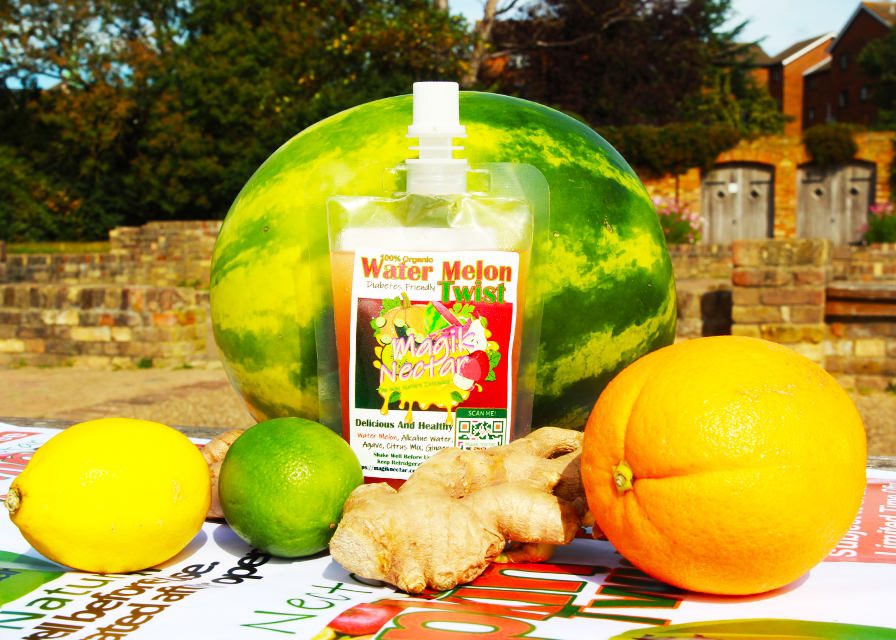
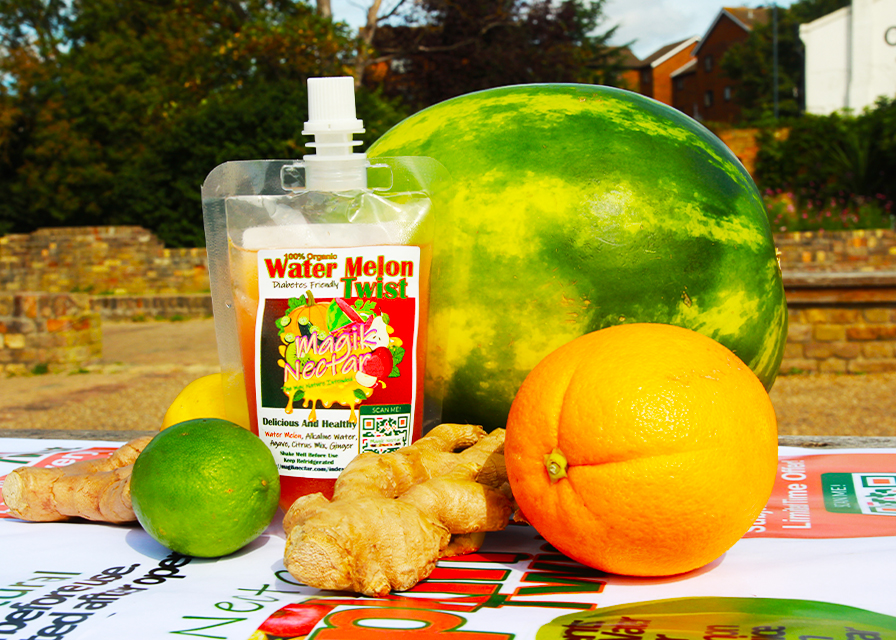
Water Melon Twist
Sizes :
Melon Twist Shot 100ML ££2.50, Medium Melon Twist 300ML ££4.50, Large Melon Twist 500ML ££6.25,Benefits:
100% Natural Water Melon Juice
Alkaline Water
100% Natural Citrus Juice Mix
100% Natural Ginger Juice
Agave Nectar
Gluton Free
Vegan Friendly
No Sugar
Description:
Our choices of Juice Twists were not randomly selected. The team at Magik Nectar is of the opinion that people’s immune systems are severely compromised as a result of poor dieting choices due to widespread ignorance relating to food. Simply put; we are ignorant about what our bodies require to perform at their optimum. The Magik Nectar range of Juice twists were selected specifically to address our immune requirements. We Satisfy Your Taste Buds And Your Body’s Nutritional Needs.
The cheery red color comes from lycopene, an antioxidant. Studies show it may help curb your risk of cancer and diabetes as part of a healthy lifestyle. Watermelon has more of this nutrient than any other fruit or veggie -- even tomatoes. To load up on lycopene, choose a melon with bright red flesh rather than yellow or orange. And the riper, the better. Also, seedless melon tends to have more lycopene than those with seeds.
Some pigments help protect plants from the sun. Oddly enough, just eating them may shield your skin, too -- at least a little. The lycopene in watermelon may make it less likely that you get sunburned. But that’s not for sure, so keep using your broad-spectrum sunscreen with SPF of 30 or higher every day.
Watermelon is rich in an amino acid called citrulline that may help move blood through your body and can lower your blood pressure. Your heart also enjoys the perks of all the lycopene watermelon contains. Studies show that it may lower your risk of heart attacks. Of course, your whole lifestyle affects your heart health. So make sure you also work out, don’t smoke, limit saturated fat, and keep up with your doctor’s advice.
Watermelon has a natural pigment called beta-cryptoxanthin that may protect your joints from inflammation. Some studies show that over time, it could make you less likely to get rheumatoid arthritis.
Just one medium slice of watermelon contains 9-11% of the vitamin A you need each day. This nutrient is one of the keys to keeping your eyes healthy. Foods are the best ways to get all the vitamins and minerals that your body needs.
Juicy watermelon is 92% water, so it’s a simple way to help stay hydrated. Every cell in your body needs water. Even a small shortage can make you feel sluggish. If you get really dehydrated, it can become serious enough that you need to get fluids by IV.
Vitamins A, B6, and C in watermelon help your skin stay soft, smooth, and supple. Because it’s loaded with water, melon also makes a great face mask. Mix 1 tablespoon of watermelon juice with the same amount of Greek yogurt. Spread over your face and leave on for 10 minutes to slough off any dry, dull skin. Rinse and pat dry.
A cup of ice cream will set you back around 300 calories. You can enjoy the same amount of watermelon for just 45.6 calories. And unlike many other desserts, it’s fat-free, cholesterol free, and has no sodium. Plus, the water in it will help you stay fuller longer. To make an easy sorbet, puree some watermelon in your blender, add a squeeze of lime, and pop in the freezer until it hardens.
Watermelon’s high water content, antioxidants, and amino acids may make for a better workout. It’s also high in potassium, a mineral that could cut down on cramps at the gym. You can sip watermelon juice after you sweat, too. Doing so could help prevent muscle soreness, as long as you don’t push yourself too hard.
If you have a digestive condition like Crohn’s or colitis, the list of what not to eat during a flare can be long. You can put watermelon on your “yes” list. Its soft, fleshy fruit is easy for even an inflamed gut to digest. (Just don’t eat the rind or the seeds if you need to limit fiber.)
You may have been told as a kid that if you swallow watermelon seeds, they’ll grow in your belly. Not true! After all, your stomach has no sunlight or soil, and a lot of gastric acid. Many melons are seedless these days, but don’t worry if you do swallow a seed. They’re actually full of nutrients!
Pick a melon that’s free of dents, nicks, and bruises. Look for a yellow, not white, spot on the bottom. This signals that it’s ripe. A juicy, ready-to-eat watermelon will feel heavy for its size. When you thump it, it should sound hollow.
Wash the outside of your melon before you slice into it. You don’t want your knife to transfer any germs to the inside. While melon tastes best right after it’s cut, you can store it in your fridge for up to 5 days. Freezing is an option, too. While the watermelon won’t stay crisp, you can thaw it to use in smoothies.
A slice of fresh watermelon tastes great, but you can do more with it. Top a salad with cubed melon and crumbled feta cheese. Make a watermelon pizza by topping wedges with yogurt, mint, slivered almonds, and berries. And save the seeds! Tossed with olive oil and sea salt, they can be roasted for a tasty (and healthy) snack.


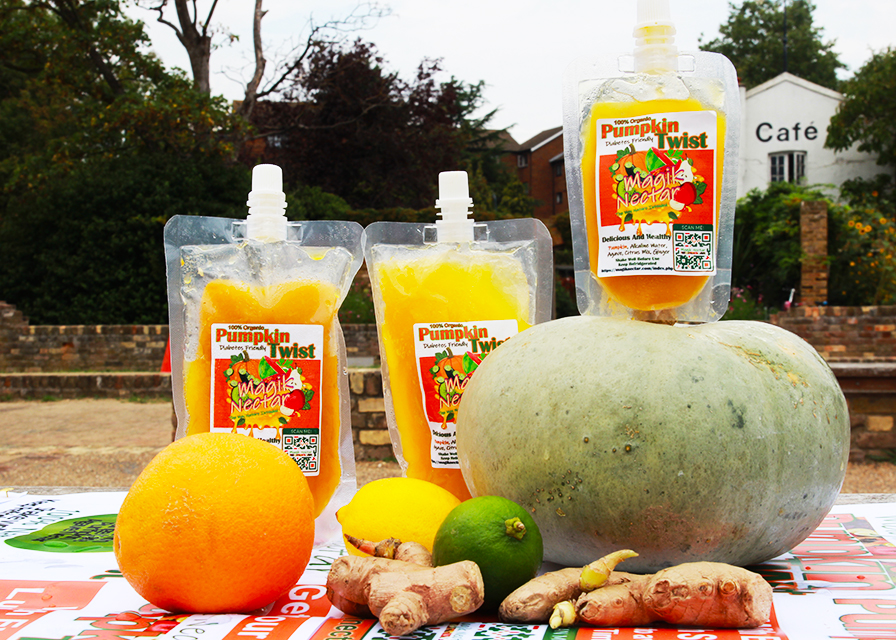
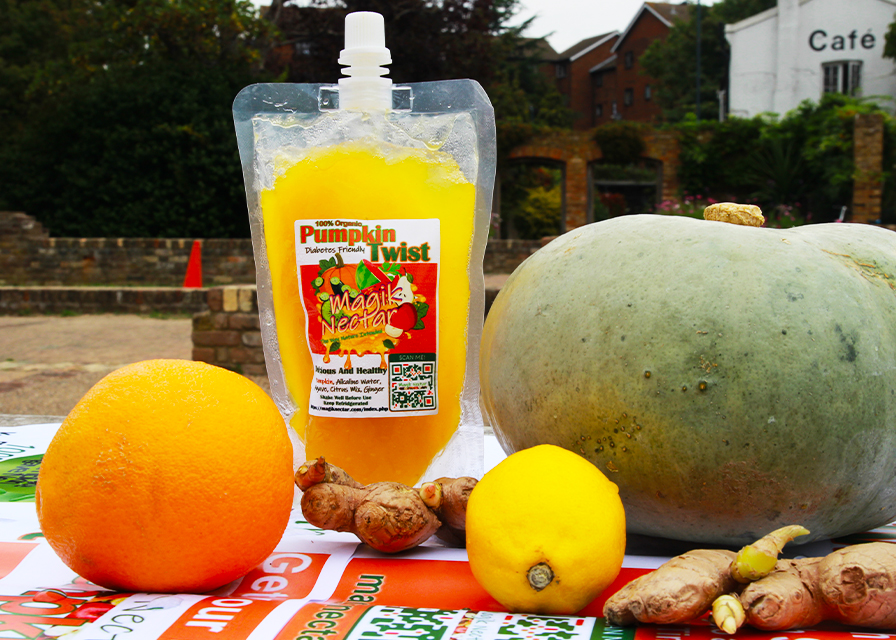
Pumpkin Twist
Product Details
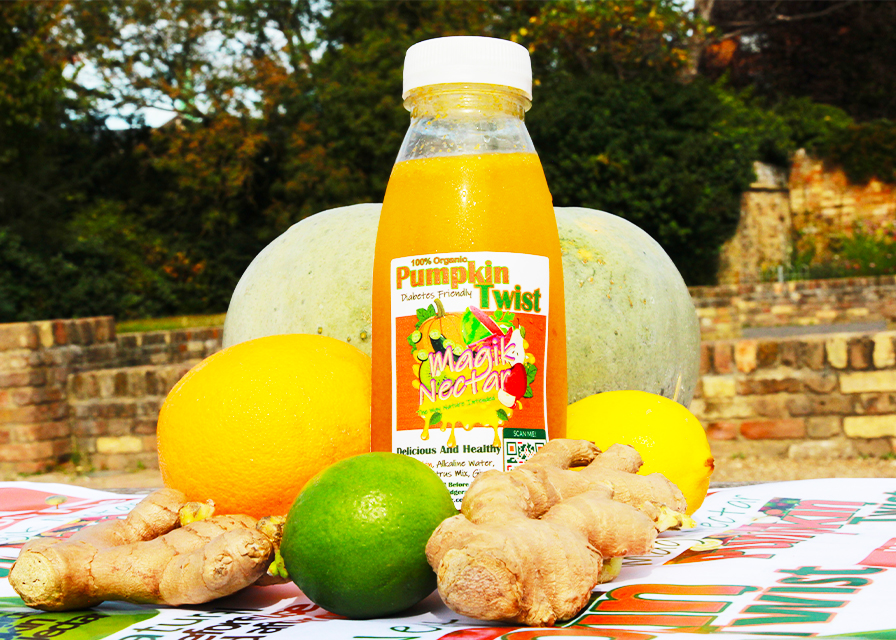
Name:
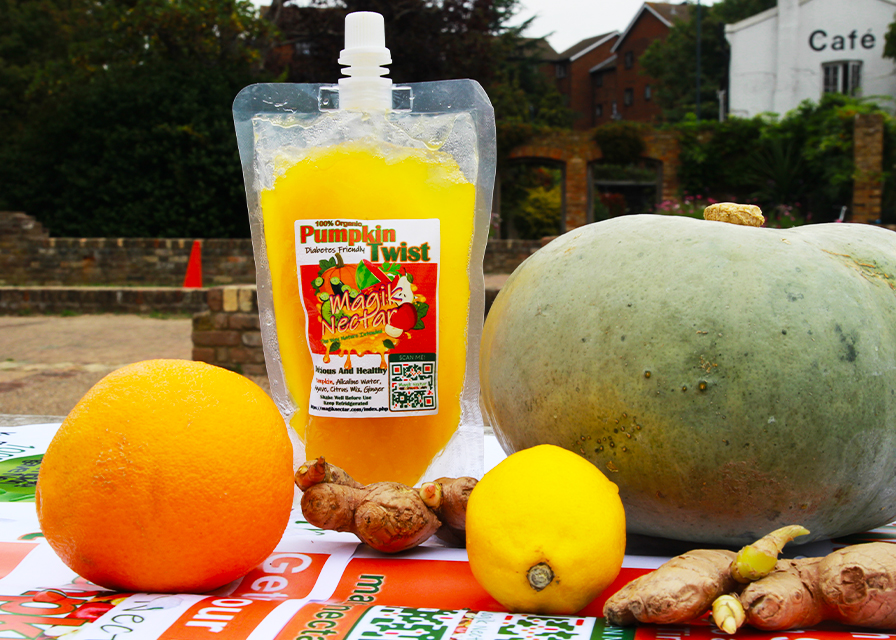
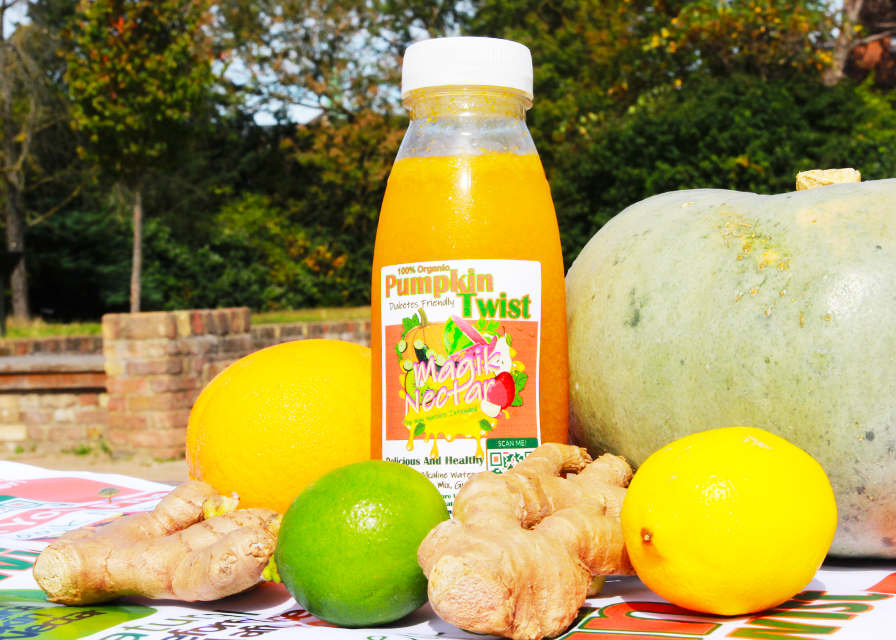
Pumpkin Twist
Sizes :
Pumpkin Twist Shot 100ML ££2.50, Medium Pumpkin Twist 300ML ££4.50, Large Pumpkin Twist 500ML ££6.25,Benefits:
100% Natural Silver Back Pumpkin Juice
Alkaline Water
100% Natural Citrus Juice Mix
100% Natural Ginger Juice
Agave Nectar
Gluton Free
Vegan Friendly
No Sugar
Especially Good For Male Erectile Performance
Description:
Our choices of Juice Twists were not randomly selected. The team at Magik Nectar is of the opinion that people’s immune systems are severely compromised as a result of poor dieting choices due to widespread ignorance relating to food. Simply put; we are ignorant about what our bodies require to perform at their optimum. The Magik Nectar range of Juice twists were selected specifically to address our immune requirements. We Satisfy Your Taste Buds And Your Body’s Nutritional Needs.
Health Benefits Of Pumpkin
Just like their orange cousins, the carrot, the sweet potato, and pumpkins are rich in beta carotene. Your body changes this antioxidant to vitamin A. You need vitamin A to see, ward off germs, and for your reproductive system to work the way it should. It also helps your heart, lungs, kidneys, and other organs stay healthy.
Great For Your Eyes.
One cup of pumpkin can give you 200% of your recommended daily vitamin A intake. Your eyes will love you for ingesting Pumpkins. Vitamin A helps you have healthy eyes and see more clearly, especially in low-light conditions. Pumpkin’s vitamin A kick brings another biggie: a lowered risk of certain kinds of cancer, like lung or prostate cancer. You don’t get the same protection from vitamin A supplements alone. In addition to beta carotene, pumpkins offer vitamin C, vitamin E, iron, and folate; all of which strengthen your immune system. More pumpkin in your diet can help your immune cells work better to ward off germs and speed healing when you get a wound. Pumpkin’s rich orange color is also a sign it’s packed with potassium. This is crucial for lowering blood pressure.
Unsalted pumpkin seeds are also crammed with minerals and plant sterols that raise HDL cholesterol levels (the “good” kind) and help keep blood pressure numbers down, too. More good news about pumpkins’ potassium power: Studies show that higher potassium levels can lower your risk of stroke, kidney stones, and type 2 diabetes. Another bonus: Potassium may also increase bone mineral density, boosting your bone health. Pumpkins are high in fiber and low in calories. That means they make you feel full without adding to your overall food intake for the day. If you’re looking for a healthy way to fill up, nutrient-rich pumpkin is a good go-to choice. The fiber uptick in your diet promotes digestive health, too, so what goes in comes out on a regular basis.
Pumpkin seeds have tryptophan, an amino acid that helps make a chemical called serotonin. In addition to making you feel good, serotonin is also a key player in promoting good sleep. The antioxidant power of beta carotene in pumpkin works to combat the effects of aging on your skin. It also helps ease inflammation, which keeps your skin -- and your body -- calmer and happier. Your odds of heart disease go down as your fiber intake goes up, and pumpkin is loaded with it. But it isn’t just the fiber that takes care of your ticker: The vitamin A and potassium you get when you add pumpkin to your diet also plays a part in your heart health.
Pumpkin has a special benefit for men.
Pumpkin seed are loaded with zinc. Zinc is particularly beneficial to men’s erectile function. Skip all the artificial erectile cures and simply stick to natural boosters such as Pumpkin. In most cases our bodies underperform simply because it lacks the fuel required to perform at its optimum By simply providing the requisite fuel the body will always be ready to deliver whenever required. Skip the pills; focus on putting in the correct fuels.
What are the best ways to consume Pumpkin?
With all the goodness pumpkins offer, surely an extra-large pumpkin spice latte with a pumpkin muffin can’t hurt. But experts say hold your horses. The best way to get pumpkin’s health benefits is to avoid the sugar and processing of baked goods or pumpkin flavor. Opt for more wholesome choices, like roasted pumpkin, pumpkin puree, pumpkin hummus, or pumpkin soup.
Pear Twist
Product Details
Name:
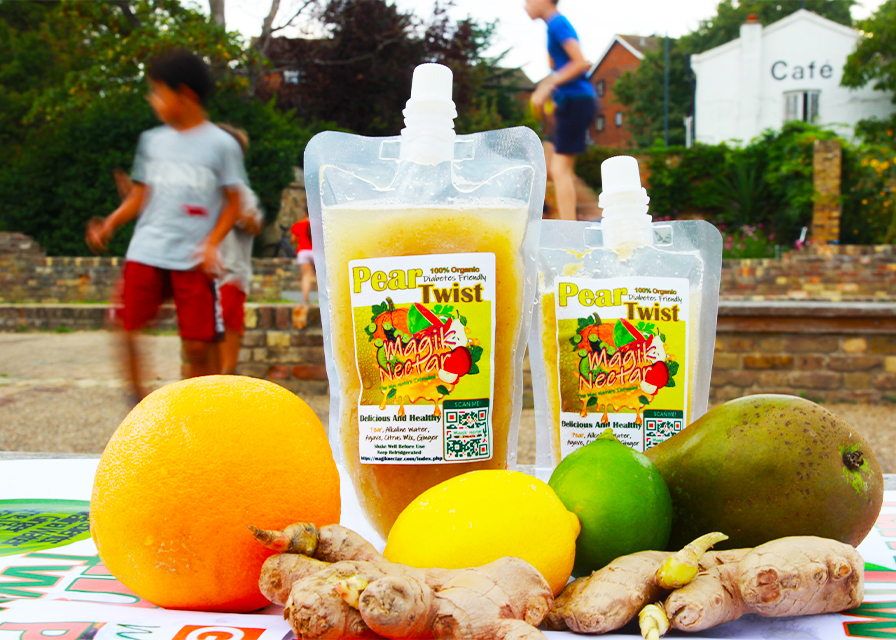
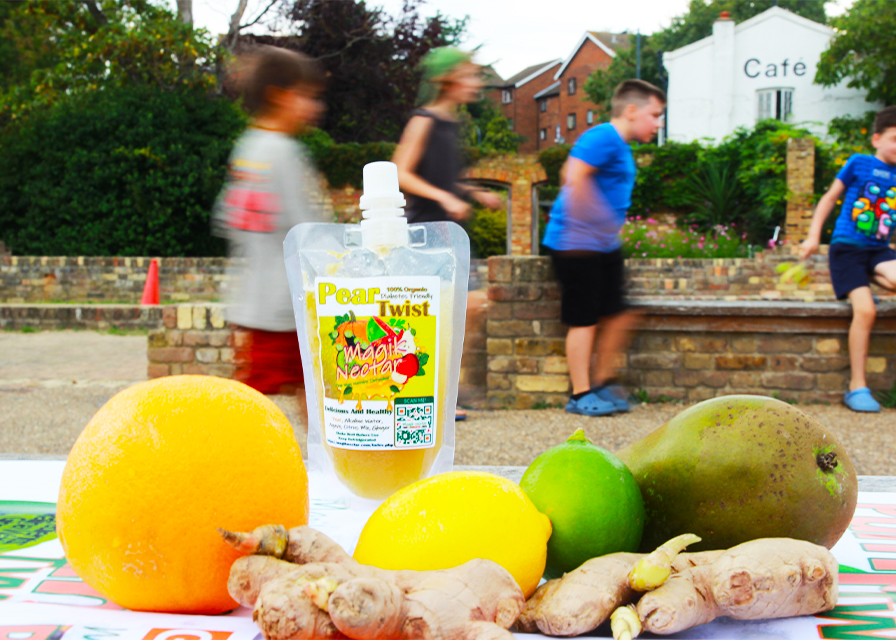
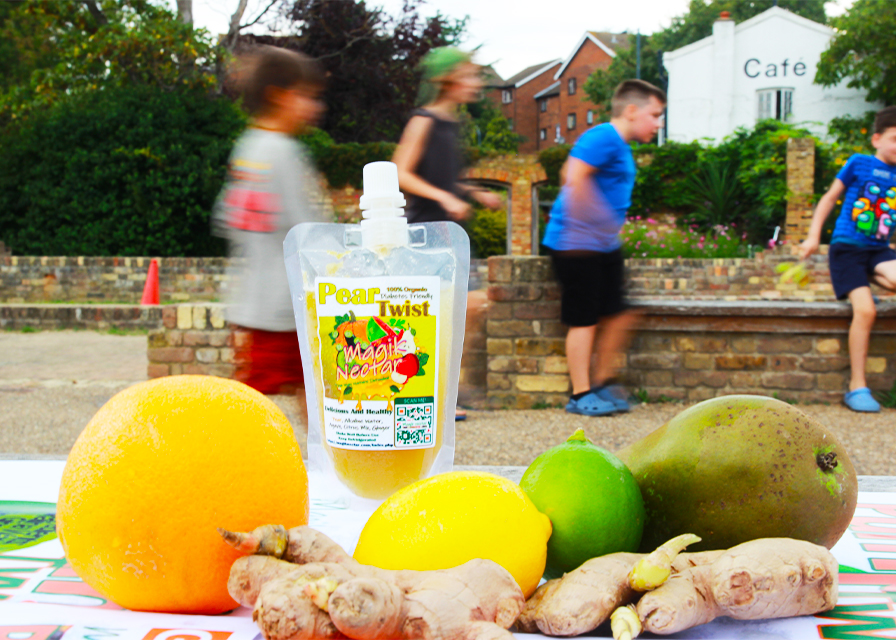
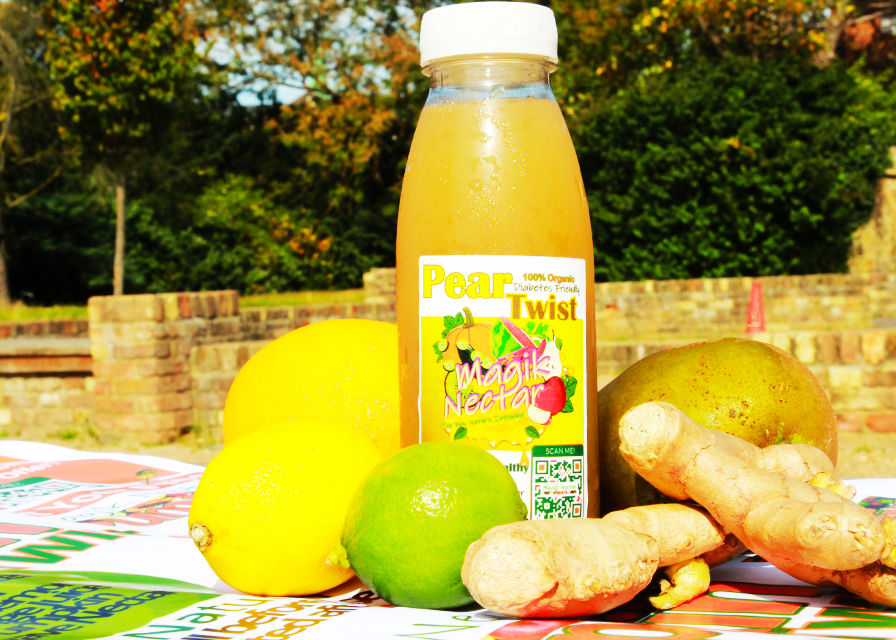
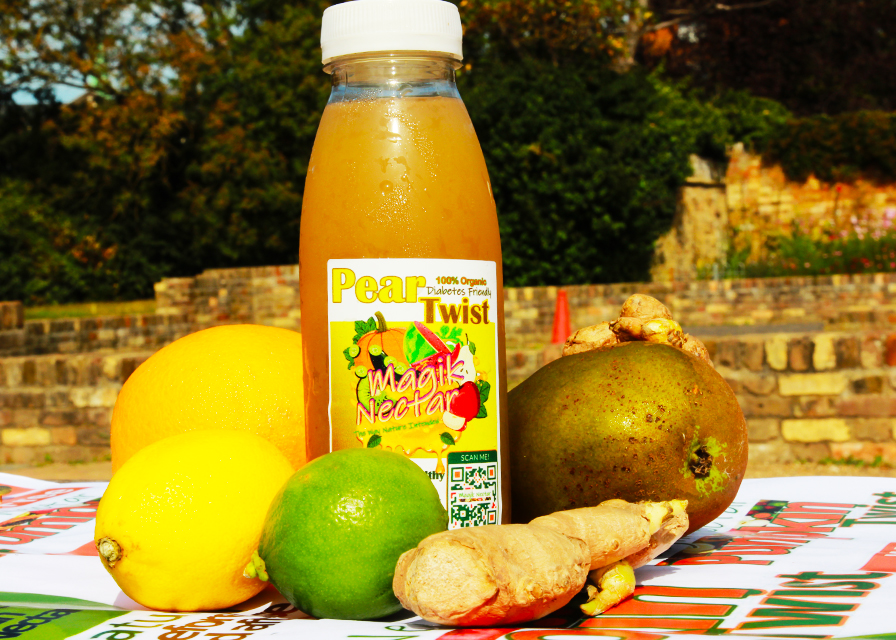
Pear Twist
Sizes :
Pear Twist Shot 100ML ££2.50, Medium Pear Twist 300 ML ££4.50, Large Pear Twist 500ML ££6.25,Benefits:
100% Natural Pear fruit Juice
Alkaline Water
100% Natural Citrus Juice Mix
100% Natural Ginger Juice
Agave Nectar
Gluton Free
Vegan Friendly
No Sugar
Description:
Our choices of Juice Twists were not randomly selected. The team at Magik Nectar is of the opinion that people’s immune systems are severely compromised as a result of poor dieting choices due to widespread ignorance relating to food. Simply put; we are ignorant about what our bodies require to perform at their optimum. The Magik Nectar range of Juice twists were selected specifically to address our immune requirements. We Satisfy Your Taste Buds And Your Body’s Nutritional Needs.
Pears have been a part of Eastern medicine for centuries. They play a part in helping with everything from inflammation to constipation to hangovers.
We also know that pears can help control blood sugar and lower your chances of type 2 diabetes and stroke. They can even help you digest food better.
And, as a bonus, they’re a good way to make you feel like you’ve had a small treat with some added nutrition.
How Pears Affect Blood Sugar
The glycemic index (GI) rates food and its effect on your blood sugar on a scale of 1 to 100. The higher the GI level, the faster it makes your blood sugar go up.
Pears fall between 20 and 49 on the glycemic index. That makes them a low-GI food, mostly because they’re high in fiber. One small pear has about 7 grams of it. That's as much as 20% of the fiber you need each day. (Women should get about 25 grams of fiber a day, while men should shoot for 38.)
Some studies suggest that the pigments that give pears their color, called anthocyanins, can lower your chances of type 2 diabetes. We need more research to understand why this is and how eating pears might help if you have diabetes.
Other Health Benefits of Pears
In addition to being a good source of fiber, pears are also high in vitamins C and K, as well as potassium and antioxidants. They’re also especially good for gut health, and they may help keep you regular, too.
What's more, there’s evidence that the antioxidants in fruits like pears may make you less likely to have heart disease or trouble with cholesterol.
Things to Consider
When you have diabetes, it’s always important to think about carbohydrates. A small pear has about 22 grams of carbs, which is about 1.5 servings. You’ll want to factor that in when working pears into your diet.
As with any fruit, the best way to eat a pear is to eat the whole thing. The skin is where most of the nutrients are, particularly the fiber and antioxidants. That said, be sure to wash it thoroughly before you eat it.
If fresh pears aren't a good option for you, canned ones can be a good alternative. But read the label carefully. You don't want ones packed in light or heavy syrup. That’s another way of saying “sugar added.” Instead, look for labels that say “packed in water,” “packed in their own juices,” or “100% juice.”
Dried pears keep their fiber and nutrients. But they can have a lot of sugar. Make sure to keep an eye on your serving size.
How to Get Pears Into Your Diet
They can be prepared in many ways, including, grilled, poached, or stirred into a breakfast parfait. Of course the best ways are to simply eat the fruit, juice the fruit or diced as a topping on a salad. The more natural, the better.
'Pears' That Aren't Pears
While there are many varieties of pears -- Bartlett, Anjou, and Bosc are among the most common -- some things with the word “pear” in their names aren’t pears at all. While it does have a lot of fiber and experts say it could help with blood sugar, the prickly pear is the fruit part of a type of cactus found mostly in the American Southwest and Mexico.
The balsam pear is also high in fiber, but it more closely resembles a cucumber, with its oblong shape and rough texture. They’re common in China and India, where people call them “bitter cucumbers.
2 Litres Mix-Up Deal
Product Details
Name:
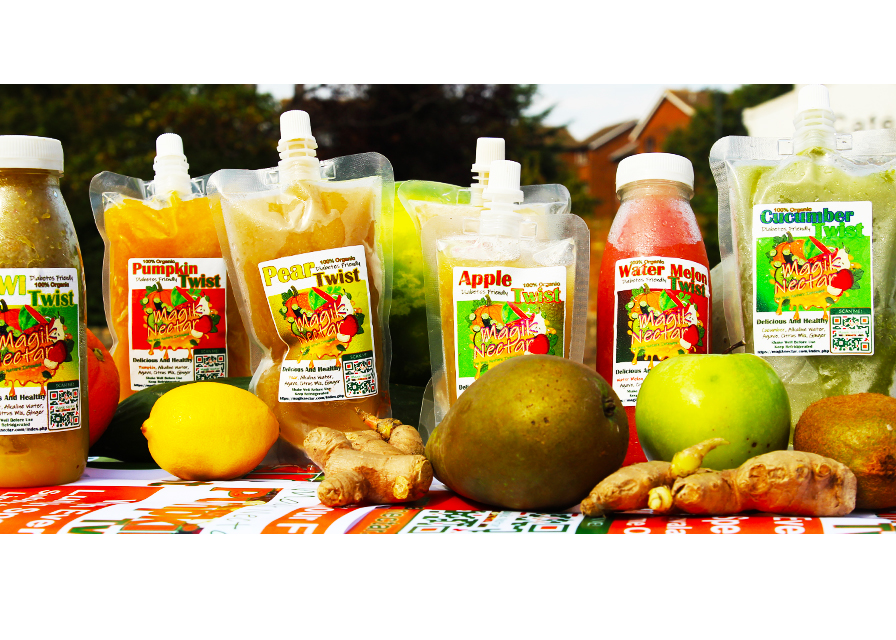
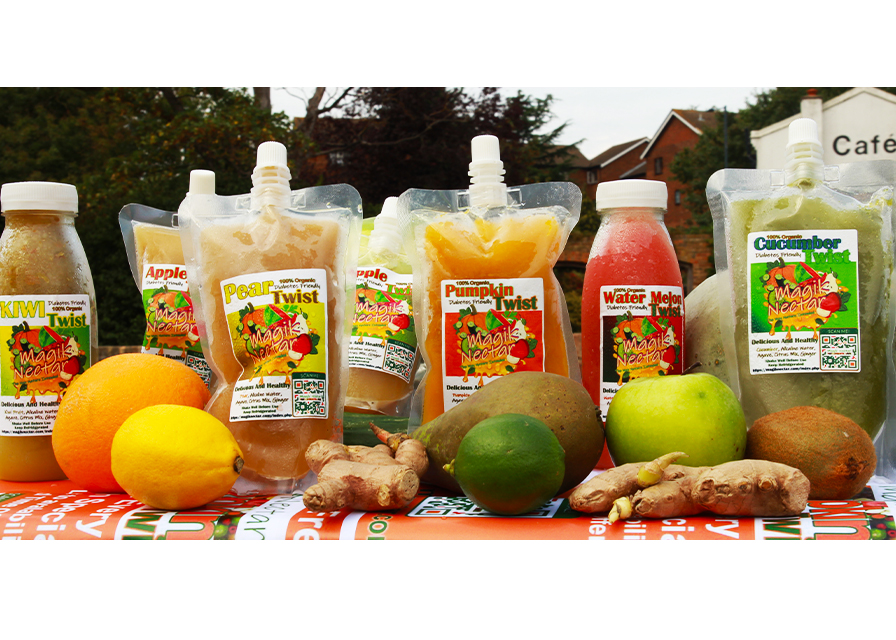
2 Litres Mix-Up Deal
Sizes :
Mix-Up Pack 2 Litres ££15.50,Benefits:
Multiple flavors, multiple benefits.
Pick your favorite Twists and sizes to create your own unique blend. then list your choices in the note section of the checkout page.
Sizes Must Total 2 Litres
Limited Time Offer 1000 packs Available. Get yours now!
Check individual Twists for ingredients and nutritianal benefits!
Twistss are subject to availability.
Description:
Mix and match any avaialable flavors totalling 2 litres for £15.50
Create your own unique flavors
Add MixUp Deal to cart then list your desired Twists in the note section of the checkout page.
Limited Time Offer.
Twists are subject to availability.
Your mixup selection must include at least four different flavors. Only One Sour Sop Flavor Per Mixup Purchace.
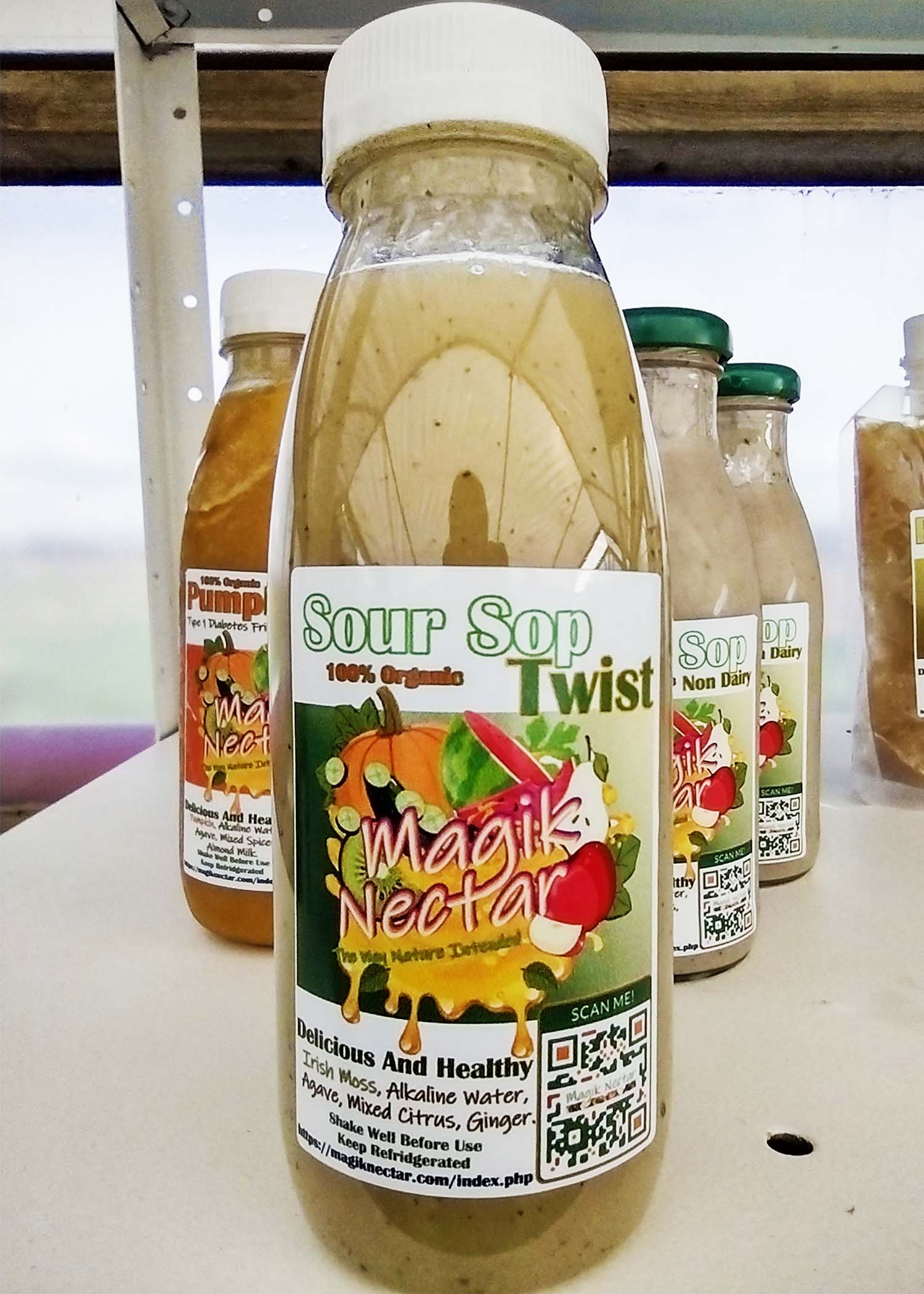
Sour Sop Twist
Product Details
.png)
Name:
Sour Sop Twist
Sizes :
Sour Sop Twist 300ML ££5.00, Sour Sop Twist 500ML ££7.00,Benefits:
Organic Sour Sop
Alkaline Water
100% Natural Citrus Juice Mix
!00% Natural Ginger Juice
Agave Nectar
Gluton Free
Vegan Friendly
No Sugar
Description:
Health is paramount to what Magik Nectar do. Yes, our choice of Juices are delicious; however health benefit is our main motivator. delicious is a byproduct of doing it The Way nature Intended. Some of you might be aware of the Sour Sop Fruit, other might not, For those of you who are unaware Sour Sop is a super food, one you should consume whever you have the oppotunity to. The people who are aware of this magnificent fruit also know that Sour Sop makes one of the most delicious juices on the planet, but what none of you are aware of (unless you've had Magik Nectar's Sour Sop Juices) is that Magik Nectar's Sour Sop Juices are made like no other.
A native of the warm and tropical regions of the Americas, soursop is a fruit that goes by many names. Its scientific name is Annona muricata, but it also goes by guanabana, paw-paw, sirsak, and graviola. Soursop is a member of the Annonaceae family, also known as the custard apple family. The fruits, which grow on trees, are large and oval-shaped. The green exterior, which has spines on it, covers a white, fibrous flesh. They grow up to 8 inches and can weigh up to 10 pounds. Soursop’s flavor can best be described a cross between mango and pineapple Soursop has many uses in traditional medicine, and it has been used to treat a wide range of health conditions and ailments. With its strong nutrient profile, it provides a variety of health benefits. Health Benefits Soursop is high in vitamin C, an antioxidant known to boost immune health. The vitamin strengthens your immune system, improving its ability to defend against pathogens. It also promotes the destruction of free radicals, which can help to protect your skin and cells from environmental oxidative damage. One whole soursop fruit contains 215% of your recommended daily allowance of vitamin C. Soursop (the fruit and the leaves) contains many other antioxidants, including phytosterols, tannins, and flavonoids. Antioxidants play a role in your overall health and may help to protect against a variety of health conditions. Other health benefits of soursop include: Healthy digestion One whole soursop fruit contains around 83% of your recommended daily allowance of fiber, which is a vital nutrient for your digestive health. Fiber helps to promote regularity and prevent digestive issues such as constipation.
Potential anti-carcinogenic effects While most research is limited to test-tube studies, soursop may be beneficial in helping to fight and prevent cancer. One study found that a soursop extract could reduce the size of breast cancer tumors and kill cancer cells. A second study found that an extract could stop the formation of leukemia cells. Fights inflammation Antioxidants fight free radicals, reducing the damage to your cells caused by oxidative stress. One of the side effects of oxidative stress is inflammation. The antioxidants in soursop may, therefore, help to reduce inflammation in the body. RELATED: Video: How to Build a Balanced Meal Stabilizes blood pressure High blood pressure may lead to serious issues like heart disease and heart attack. A contributing factor to high blood pressure is sodium intake. Potassium helps your body to get rid of sodium and eases the tension in the walls of your blood vessels, both of which can help to lower your blood pressure. A whole soursop fruit offers approximately one-third to one-half of your recommended daily allowance of potassium. May fight against bacteria Soursop may provide antibacterial effects. One study found that an extract may be able to kill many different types of bacteria, including strains that cause gum disease and cavities. Another study found that soursop extracts may help to fight cholera and Staphylococcus bacteria. While these were test-tube studies, the results are promising, and further research is needed.
Soursop contains many essential vitamins and minerals, including: Vitamin B1 Vitamin B2 Vitamin B3 Vitamin C Folate Calcium Iron Potassium Magnesium Phosphorous Zinc Copper Nutrients Per Serving One entire soursop fruit provides: Calories: 413 Protein: 6 grams Fat: 2 grams Carbohydrates: 105 grams Fiber: 21 grams Sugar: 85 grams Things to Watch Out For While soursop can offer significant health benefits, it does have some potential drawbacks. Studies have shown that the fruit and tea made from the leaves may cause symptoms similar to Parkinson’s disease. Studies also indicate that it may interact with high blood pressure medication or medications for diabetes. The compounds in the fruit may strengthen the effects of such medications, causing dangerous drops in your blood pressure or blood sugar levels. You should also avoid eating soursop seeds. They have toxic compounds and may cause harmful side effects. Be sure to remove them before eating the fruit. How to Eat Soursop You’ll likely find fresh and frozen soursop in Brazilian grocery stores. You may also find the fruit in some conventional grocery stores or online. Most soursop is picked before the fruit is fully ripened. While the unripe fruit is green, it turns to a yellow-green to indicate maturity. It will also give a little when you press on it. Store unripe fruit on the counter. Once mature, you should store it in the refrigerator and use it within a few days. Soursop is delicious raw. You can also use it in many different ways, such as: Homemade popsicles Ice cream A sweet addition to your favorite smoothie recipe Juices A topping for to oatmeal, yogurt, or chia pudding A zesty addition to a quick bread or cake.
Hailing from the warm and tropical regions of the Americas, soursop is a versatile fruit known by various names. Scientifically labeled Annona muricata, it's also recognized as guanabana, paw-paw, sirsak, and graviola.
Belonging to the Annonaceae family, commonly referred to as the custard apple family, soursop trees bear large, oval-shaped fruits. Encased in a spiny green exterior, these fruits yield a white, fibrous flesh, reaching sizes of up to 8 inches and weighing as much as 10 pounds. The flavor of soursop is often likened to a blend of mango and pineapple.
Soursop boasts an extensive history of traditional medicinal use, offering a spectrum of health benefits thanks to its robust nutrient profile.
Health Benefits
Rich in vitamin C, a potent antioxidant renowned for bolstering immune function, soursop enhances the body's defenses against pathogens while combating environmental oxidative stress. A single soursop fruit provides a whopping 215% of the recommended daily intake of vitamin C.
Moreover, soursop, both in its fruit and leaf forms, contains an array of antioxidants such as phytosterols, tannins, and flavonoids, contributing to overall health and potentially shielding against various ailments.
Additional health benefits of soursop include:
-
Healthy Digestion: A single soursop fruit offers approximately 83% of the daily fiber requirement, vital for digestive health by promoting regularity and preventing issues like constipation.
-
Potential Anti-Carcinogenic Effects: While primarily studied in vitro, soursop exhibits promising potential in combating and preventing cancer. Research suggests it may reduce tumor size in breast cancer and impede the formation of leukemia cells.
-
Inflammation Reduction: Soursop's antioxidants combat free radicals, mitigating cellular damage caused by oxidative stress, thereby potentially reducing inflammation in the body.
-
Blood Pressure Regulation: Soursop's potassium content aids in flushing out sodium from the body, easing tension in blood vessel walls, and thereby helping to lower blood pressure. A single soursop fruit offers approximately one-third to one-half of the daily potassium requirement.
-
Antibacterial Properties: Studies indicate soursop extracts may possess antibacterial properties, capable of combating various bacteria, including those responsible for gum disease, cavities, cholera, and Staphylococcus infections.
Nutrition
Soursop is rich in essential vitamins and minerals, including vitamins B1, B2, B3, C, folate, calcium, iron, potassium, magnesium, phosphorous, zinc, and copper.
Nutritional Content per Serving
- Calories: 413
- Protein: 6 grams
- Fat: 2 grams
- Carbohydrates: 105 grams
- Fiber: 21 grams
- Sugar: 85 grams
Considerations
Despite its health benefits, soursop may pose some risks. Studies suggest that consuming soursop fruit or leaves may induce symptoms resembling Parkinson's disease and could interact with medications for high blood pressure or diabetes, potentially leading to dangerous drops in blood pressure or blood sugar levels. Additionally, soursop seeds contain toxic compounds and should be avoided.
Consumption Tips
Fresh or frozen soursop can be found in Brazilian grocery stores or occasionally in conventional markets or online. Unripe soursop should be stored at room temperature until it ripens, at which point it can be refrigerated and consumed within a few days. Soursop can be enjoyed raw or incorporated into various dishes, such as homemade popsicles, ice cream, smoothies, juices, or as a topping for oatmeal, yogurt, or baked goods.
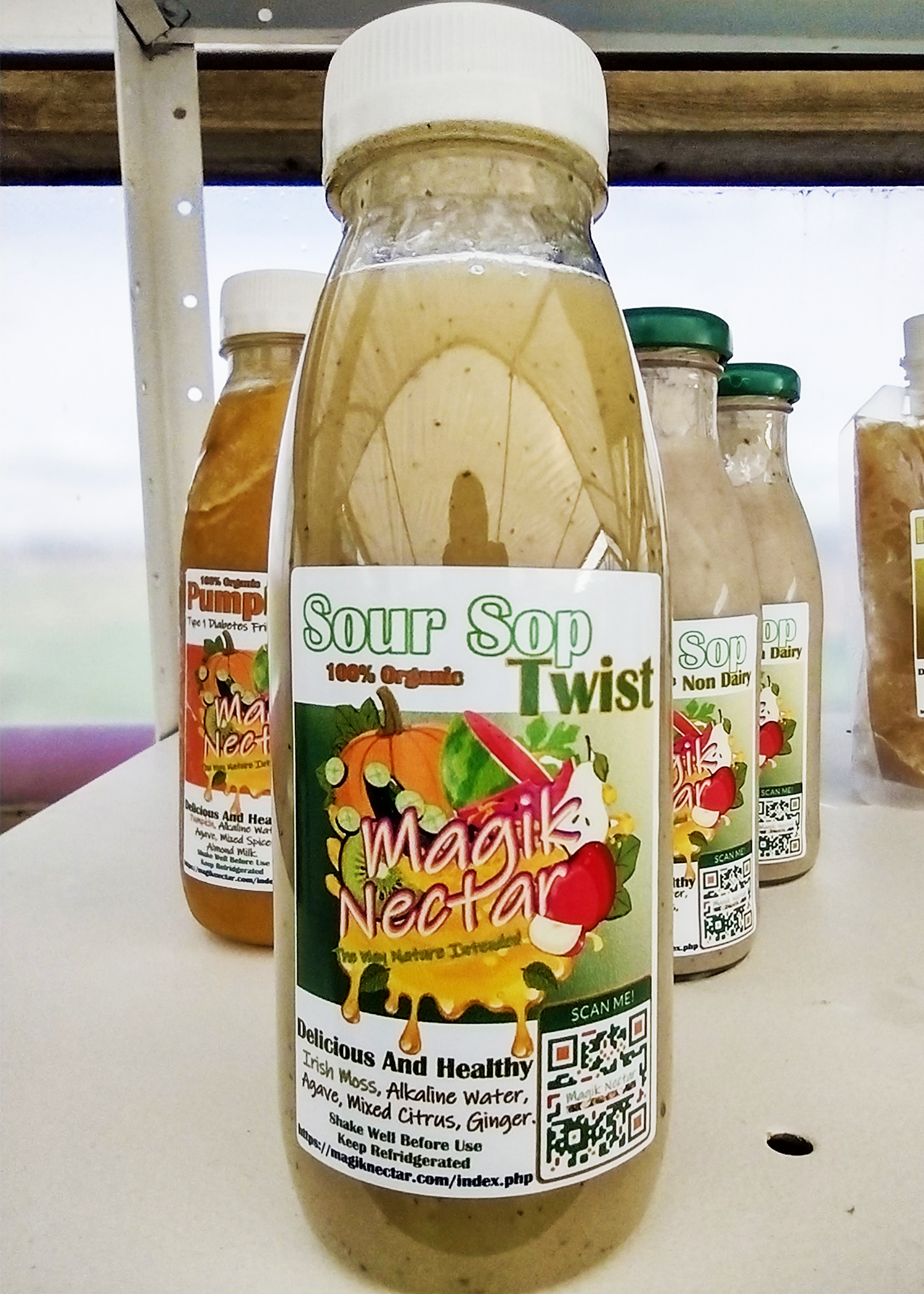
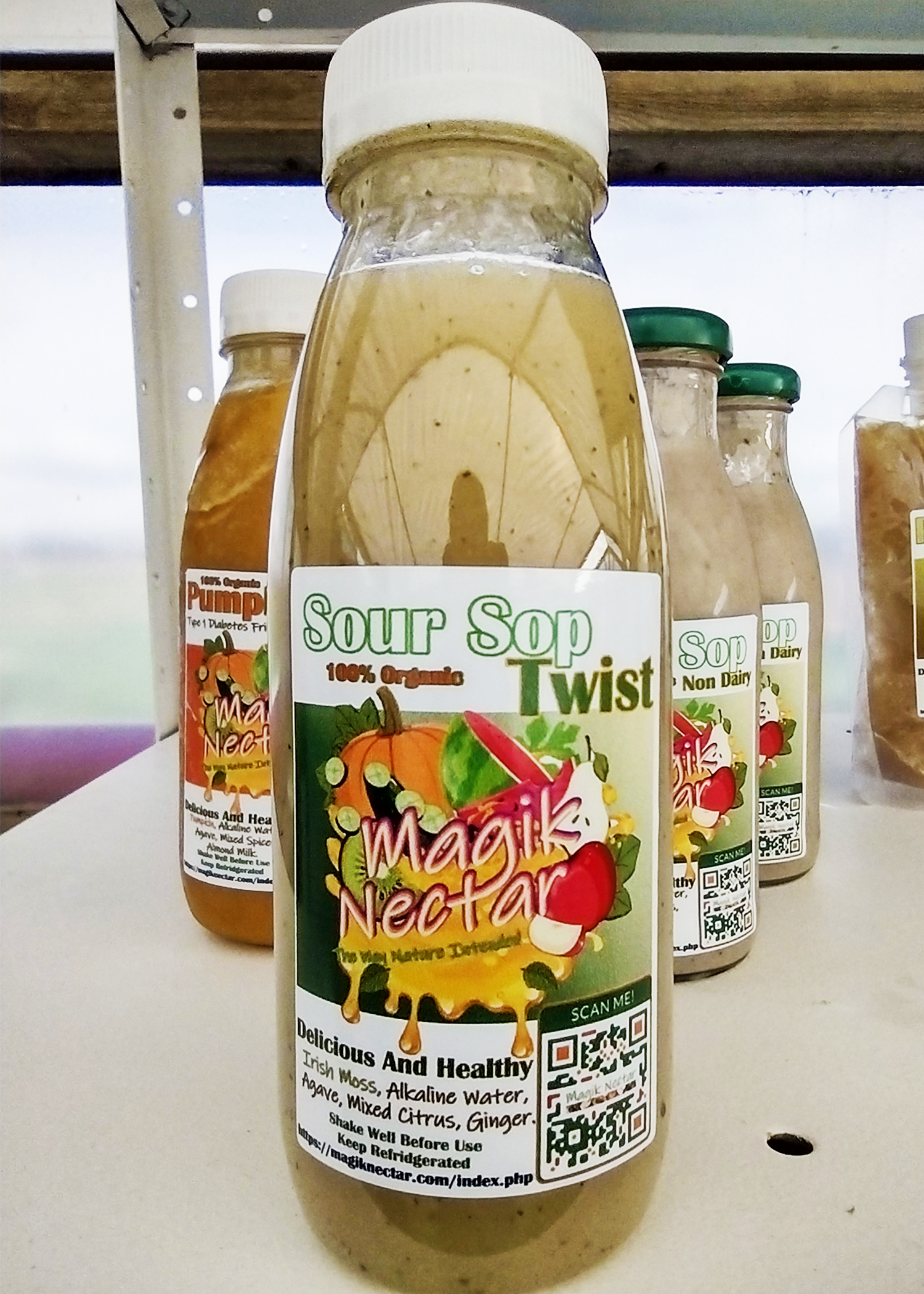
Sour Sop
Product Details
.png)
Name:
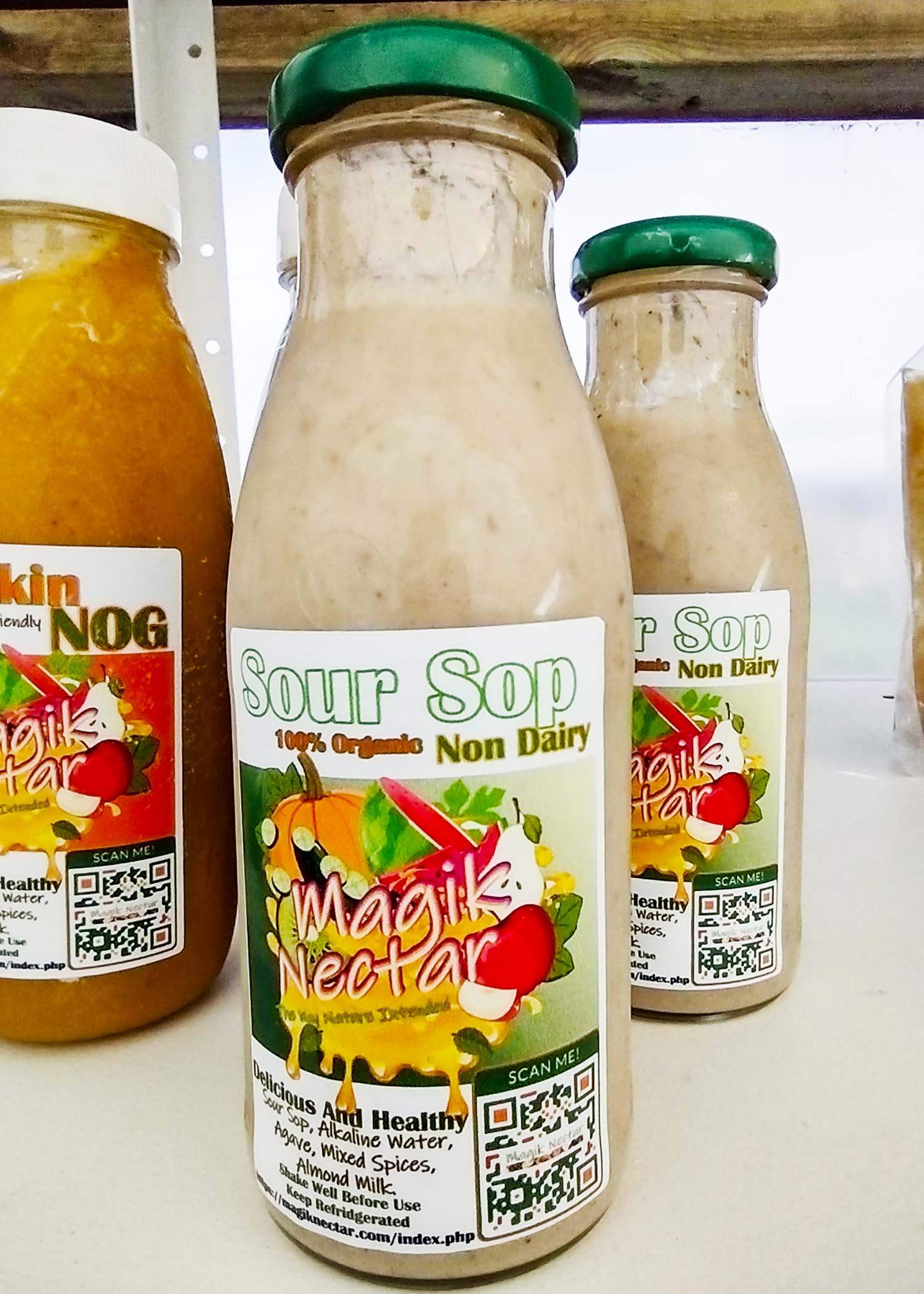
Sour Sop
Sizes :
Sour Sop (None Dairy) Medium ££5.00, Sour Sop (None Dairy) 500ML ££7.00,Benefits:
Organic Sour Sop
Alkaline water
Agave
Mixed Spices
Almond Milk
Description:
Health is paramount to what Magik Nectar do. Yes, our choice of Juices are delicious; however health benefit is our main motivator. delicious is a byproduct of doing it The Way nature Intended.
Health is paramount to what Magik Nectar do. Yes, our choice of Juices are delicious; however health benefit is our main motivator. delicious is a byproduct of doing it The Way nature Intended. Some of you might be aware of the Sour Sop Fruit, other might not, For those of you who are unaware Sour Sop is a super food, one you should consume whever you have the oppotunity to. The people who are aware of this magnificent fruit also know that Sour Sop makes one of the most delicious juices on the planet, but what none of you are aware of (unless you've had Magik Nectar's Sour Sop Juices) is that Magik Nectar's Sour Sop Juices are made like no other.
A native of the warm and tropical regions of the Americas, soursop is a fruit that goes by many names. Its scientific name is Annona muricata, but it also goes by guanabana, paw-paw, sirsak, and graviola. Soursop is a member of the Annonaceae family, also known as the custard apple family. The fruits, which grow on trees, are large and oval-shaped. The green exterior, which has spines on it, covers a white, fibrous flesh. They grow up to 8 inches and can weigh up to 10 pounds. Soursop’s flavor can best be described a cross between mango and pineapple Soursop has many uses in traditional medicine, and it has been used to treat a wide range of health conditions and ailments. With its strong nutrient profile, it provides a variety of health benefits. Health Benefits Soursop is high in vitamin C, an antioxidant known to boost immune health. The vitamin strengthens your immune system, improving its ability to defend against pathogens. It also promotes the destruction of free radicals, which can help to protect your skin and cells from environmental oxidative damage. One whole soursop fruit contains 215% of your recommended daily allowance of vitamin C. Soursop (the fruit and the leaves) contains many other antioxidants, including phytosterols, tannins, and flavonoids. Antioxidants play a role in your overall health and may help to protect against a variety of health conditions. Other health benefits of soursop include: Healthy digestion One whole soursop fruit contains around 83% of your recommended daily allowance of fiber, which is a vital nutrient for your digestive health. Fiber helps to promote regularity and prevent digestive issues such as constipation. Potential anti-carcinogenic effects While most research is limited to test-tube studies, soursop may be beneficial in helping to fight and prevent cancer. One study found that a soursop extract could reduce the size of breast cancer tumors and kill cancer cells. A second study found that an extract could stop the formation of leukemia cells. Fights inflammation Antioxidants fight free radicals, reducing the damage to your cells caused by oxidative stress. One of the side effects of oxidative stress is inflammation. The antioxidants in soursop may, therefore, help to reduce inflammation in the body. RELATED: Video: How to Build a Balanced Meal Stabilizes blood pressure High blood pressure may lead to serious issues like heart disease and heart attack. A contributing factor to high blood pressure is sodium intake. Potassium helps your body to get rid of sodium and eases the tension in the walls of your blood vessels, both of which can help to lower your blood pressure. A whole soursop fruit offers approximately one-third to one-half of your recommended daily allowance of potassium. May fight against bacteria Soursop may provide antibacterial effects. One study found that an extract may be able to kill many different types of bacteria, including strains that cause gum disease and cavities. Another study found that soursop extracts may help to fight cholera and Staphylococcus bacteria. While these were test-tube studies, the results are promising, and further research is needed. Nutrition Soursop contains many essential vitamins and minerals, including: Vitamin B1 Vitamin B2 Vitamin B3 Vitamin C Folate Calcium Iron Potassium Magnesium Phosphorous Zinc Copper Nutrients Per Serving One entire soursop fruit provides: Calories: 413 Protein: 6 grams Fat: 2 grams Carbohydrates: 105 grams Fiber: 21 grams Sugar: 85 grams Things to Watch Out For While soursop can offer significant health benefits, it does have some potential drawbacks. Studies have shown that the fruit and tea made from the leaves may cause symptoms similar to Parkinson’s disease. Studies also indicate that it may interact with high blood pressure medication or medications for diabetes. The compounds in the fruit may strengthen the effects of such medications, causing dangerous drops in your blood pressure or blood sugar levels. You should also avoid eating soursop seeds. They have toxic compounds and may cause harmful side effects. Be sure to remove them before eating the fruit. How to Eat Soursop You’ll likely find fresh and frozen soursop in Brazilian grocery stores. You may also find the fruit in some conventional grocery stores or online. Most soursop is picked before the fruit is fully ripened. While the unripe fruit is green, it turns to a yellow-green to indicate maturity. It will also give a little when you press on it. Store unripe fruit on the counter. Once mature, you should store it in the refrigerator and use it within a few days. Soursop is delicious raw. You can also use it in many different ways, such as: Homemade popsicles Ice cream A sweet addition to your favorite smoothie recipe Juices A topping for to oatmeal, yogurt, or chia pudding A zesty addition to a quick bread or cake.
Hailing from the warm and tropical regions of the Americas, soursop is a versatile fruit known by various names. Scientifically labeled Annona muricata, it's also recognized as guanabana, paw-paw, sirsak, and graviola.
Belonging to the Annonaceae family, commonly referred to as the custard apple family, soursop trees bear large, oval-shaped fruits. Encased in a spiny green exterior, these fruits yield a white, fibrous flesh, reaching sizes of up to 8 inches and weighing as much as 10 pounds. The flavor of soursop is often likened to a blend of mango and pineapple.
Soursop boasts an extensive history of traditional medicinal use, offering a spectrum of health benefits thanks to its robust nutrient profile.
Health Benefits
Rich in vitamin C, a potent antioxidant renowned for bolstering immune function, soursop enhances the body's defenses against pathogens while combating environmental oxidative stress. A single soursop fruit provides a whopping 215% of the recommended daily intake of vitamin C.
Moreover, soursop, both in its fruit and leaf forms, contains an array of antioxidants such as phytosterols, tannins, and flavonoids, contributing to overall health and potentially shielding against various ailments.
Additional health benefits of soursop include:
-
Healthy Digestion: A single soursop fruit offers approximately 83% of the daily fiber requirement, vital for digestive health by promoting regularity and preventing issues like constipation.
-
Potential Anti-Carcinogenic Effects: While primarily studied in vitro, soursop exhibits promising potential in combating and preventing cancer. Research suggests it may reduce tumor size in breast cancer and impede the formation of leukemia cells.
-
Inflammation Reduction: Soursop's antioxidants combat free radicals, mitigating cellular damage caused by oxidative stress, thereby potentially reducing inflammation in the body.
-
Blood Pressure Regulation: Soursop's potassium content aids in flushing out sodium from the body, easing tension in blood vessel walls, and thereby helping to lower blood pressure. A single soursop fruit offers approximately one-third to one-half of the daily potassium requirement.
-
Antibacterial Properties: Studies indicate soursop extracts may possess antibacterial properties, capable of combating various bacteria, including those responsible for gum disease, cavities, cholera, and Staphylococcus infections.
Nutrition
Soursop is rich in essential vitamins and minerals, including vitamins B1, B2, B3, C, folate, calcium, iron, potassium, magnesium, phosphorous, zinc, and copper.
Nutritional Content per Serving
- Calories: 413
- Protein: 6 grams
- Fat: 2 grams
- Carbohydrates: 105 grams
- Fiber: 21 grams
- Sugar: 85 grams
Considerations
Despite its health benefits, soursop may pose some risks. Studies suggest that consuming soursop fruit or leaves may induce symptoms resembling Parkinson's disease and could interact with medications for high blood pressure or diabetes, potentially leading to dangerous drops in blood pressure or blood sugar levels. Additionally, soursop seeds contain toxic compounds and should be avoided.
Consumption Tips
Fresh or frozen soursop can be found in Brazilian grocery stores or occasionally in conventional markets or online. Unripe soursop should be stored at room temperature until it ripens, at which point it can be refrigerated and consumed within a few days. Soursop can be enjoyed raw or incorporated into various dishes, such as homemade popsicles, ice cream, smoothies, juices, or as a topping for oatmeal, yogurt, or baked goods.
One the most common nutricianal deficiencies in people today is fibre and to help counterct that Magik Nectar has created delicius juices with very high fibre content.
An almond is a seed from a fruit that grows from an almond tree. The fruit holds a hard shell, like a pit, with the almond seed inside. Although technically seeds, almonds are considered nuts. People all over the world have been eating almonds for thousands of years. Today, about 80% of almonds are produced in California. You can find almonds in foods and even as added flavor in drinks around the world. If you’re looking for an addition to your diet that packs a healthy punch, a small serving of almonds from time to time can make a big difference. Nutrition Like many nuts, almonds provide plenty of nutrients. Nutrients per serving An ounce of whole almonds contains: Calories: 152 Protein: 6 grams Fat: 15 grams Carbohydrates: 6 grams Dietary fiber: 3 grams Sugar: 1 gram Almonds are also an excellent source of vitamins and minerals such as: Vitamin E Vitamin B2 Magnesium Phosphorus Potassium Portion size It’s easy to eat too many, which could mean you’re getting more calories and fat than you need. A healthy serving is 1/4 cup, or about 23 almonds. Health Benefits of Almonds The dense nutrition that almonds provide can benefit your body in a number of ways. If you're looking to strengthen your heart, your bones, or even your libido, almonds may help. Almonds could help you: Lower cholesterol Eating almonds helps to lower levels of the bad kind of cholesterol, called low-density lipoprotein (LDL), and increase levels of the good kind, high-density lipoprotein (HDL). Almonds also have anti-inflammatory properties to help protect you from heart disease. Keep a healthy weight Although they're high in calories, almonds could help to reduce your risk of weight gain and obesity — as long as you pay attention to portion size. The protein and fiber in the nuts helps you feel full faster, so you can better control your calorie intake while still satisfying your hunger. Lower blood pressure The vitamin E, potassium, and calcium in almonds could help to lower your blood pressure, which helps protect against heart disease. RELATED: Surprising Reasons You're Gaining Weight Get essential vitamins, minerals, and fiber Almonds are rich in important nutrients for your body, including magnesium, vitamin E, and fiber. Strengthen bones Almonds have both calcium and phosphorus, which are good for bone health. Improve blood sugar control Almonds seem to help curb blood sugar spikes after meals, which is key for people with diabetes. Improve gut health Recent research appears to suggest that almonds may help protect the health and immunity of your gastrointestinal (GI) tract. A healthier gut means a better immune system and a stronger body.
An almond originates as the seed of a fruit grown on the almond tree. Encased within a tough shell akin to a pit, the almond seed is nestled inside the fruit. Despite their classification as seeds, almonds are commonly regarded as nuts.
For millennia, almonds have been a dietary staple worldwide. Presently, approximately 80% of global almond production transpires in California. Almonds feature prominently in various cuisines and are often used to enhance the flavor of beverages.
Incorporating almonds into your diet sporadically can offer significant nutritional benefits.
Nutritional Value
Almonds boast a rich array of nutrients, typical of many nuts. Per serving:
- Calories: 152
- Protein: 6 grams
- Fat: 15 grams
- Carbohydrates: 6 grams
- Dietary fiber: 3 grams
- Sugar: 1 gram
Moreover, almonds serve as an abundant source of essential vitamins and minerals, including:
- Vitamin E
- Vitamin B2
- Magnesium
- Phosphorus
- Potassium
Serving Size
It's crucial to moderate intake, as overconsumption can lead to an excess of calories and fat. A recommended serving size is 1/4 cup, equivalent to roughly 23 almonds.
Health Benefits
Almonds offer dense nutrition, imparting various health advantages to the body. These benefits encompass cardiovascular health, bone strength, and potentially even libido enhancement.
-
Lower Cholesterol: Almonds aid in reducing levels of LDL (low-density lipoprotein) cholesterol while elevating HDL (high-density lipoprotein) cholesterol, thus mitigating the risk of heart disease. Additionally, almonds possess anti-inflammatory properties that contribute to cardiac protection.
-
Weight Management: Despite their calorie density, almonds can help stave off weight gain and obesity when consumed in moderation. Their protein and fiber content promotes satiety, facilitating better control over calorie intake without sacrificing satisfaction.
-
Blood Pressure Regulation: The presence of vitamin E, potassium, and calcium in almonds supports blood pressure regulation, which is pivotal for cardiovascular health.
-
Nutrient Richness: Almonds are abundant in vital nutrients such as magnesium, vitamin E, and fiber, crucial for overall well-being.
-
Bone Health: With their calcium and phosphorus content, almonds foster bone strength.
-
Blood Sugar Control: Almonds demonstrate the potential to attenuate blood sugar spikes post-meals, particularly beneficial for individuals with diabetes.
-
Gut Health Improvement: Emerging research suggests that almonds may contribute to gastrointestinal tract health, bolstering immunity and overall bodily resilience.
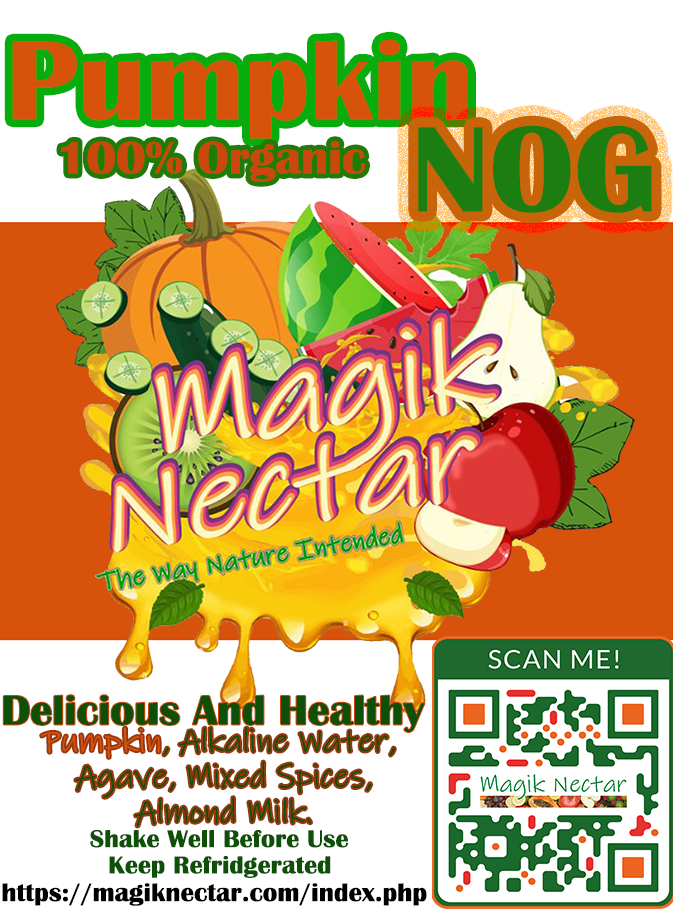
Pumpkin Nog
Product Details
.png)
Name:
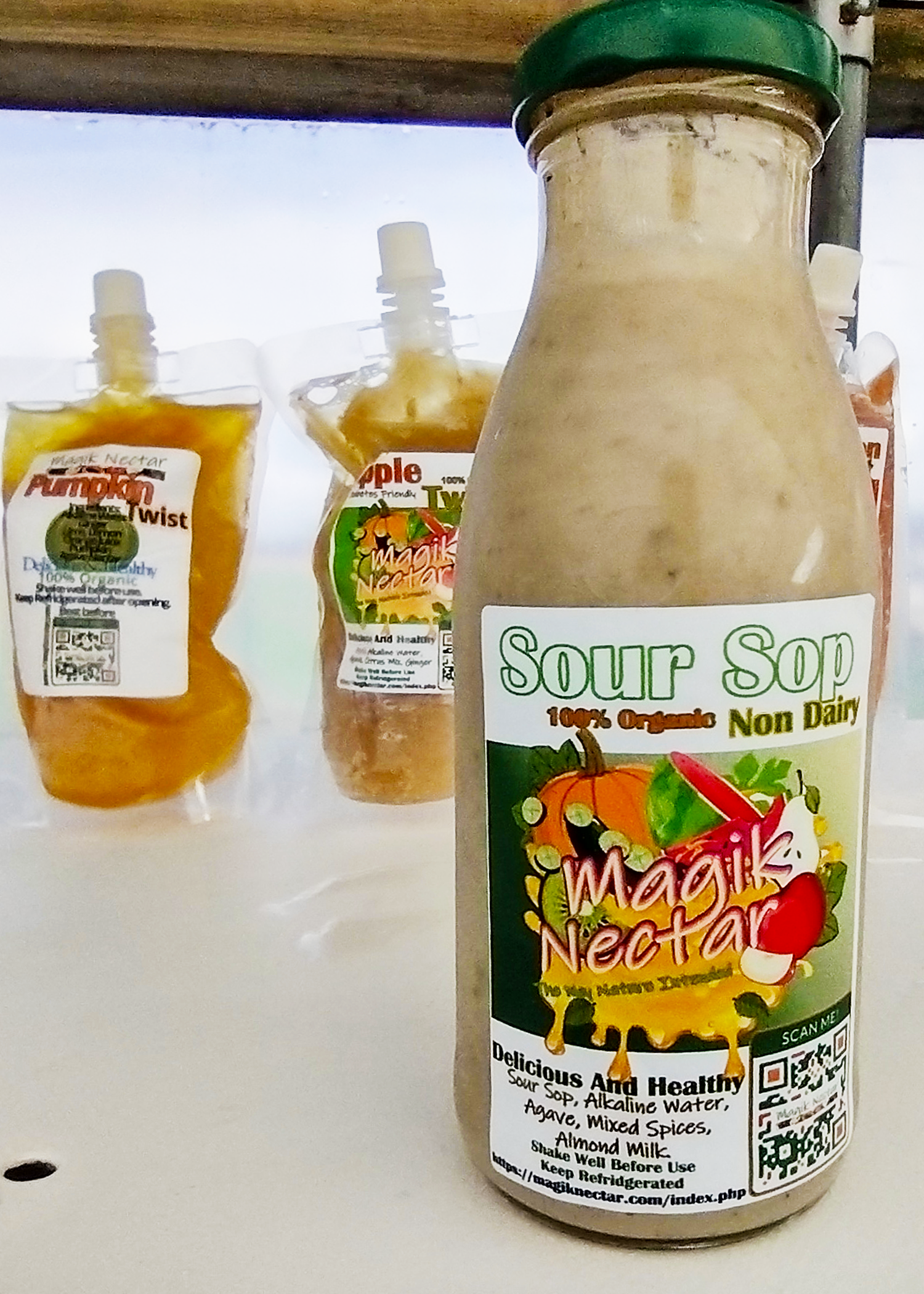
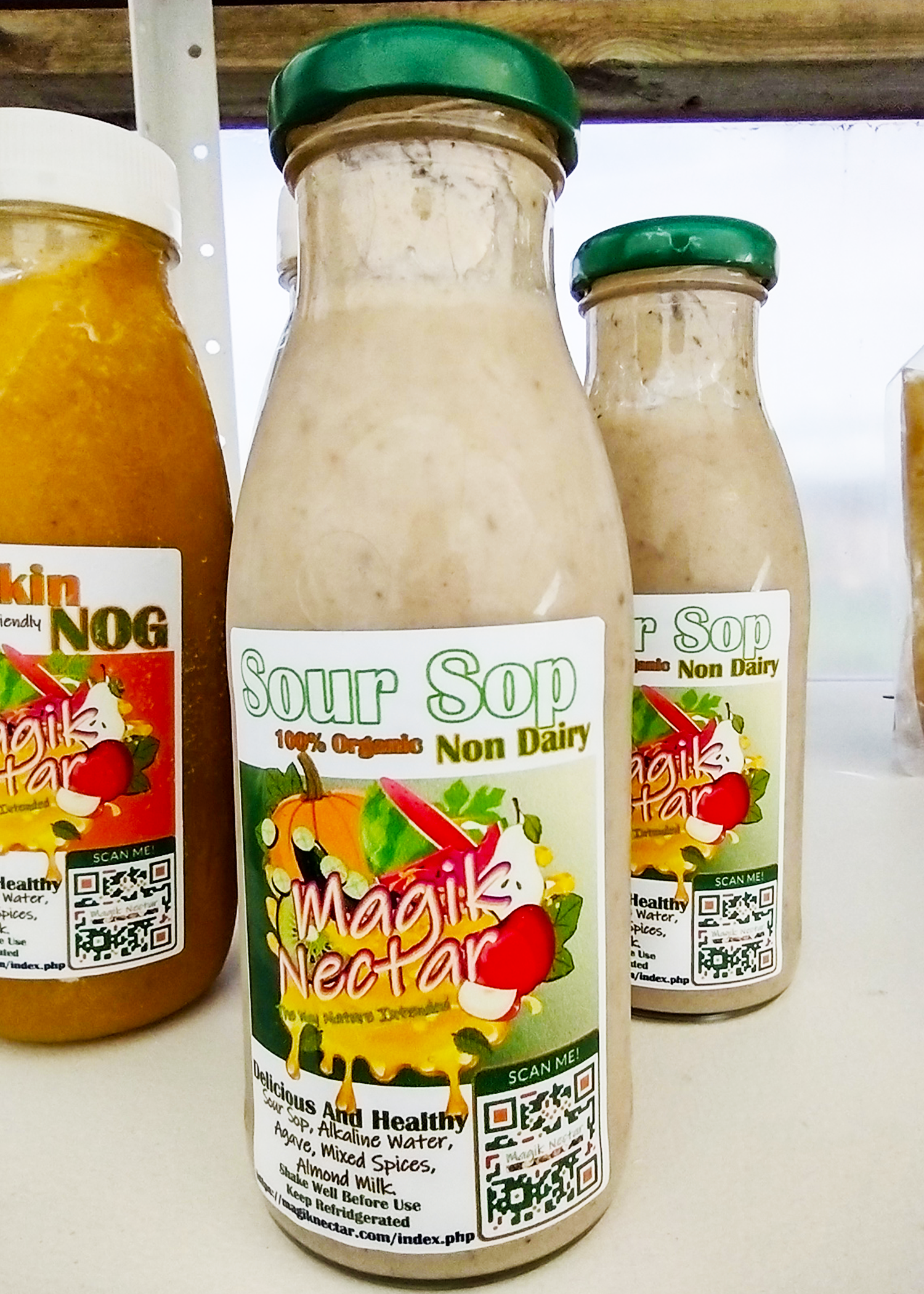
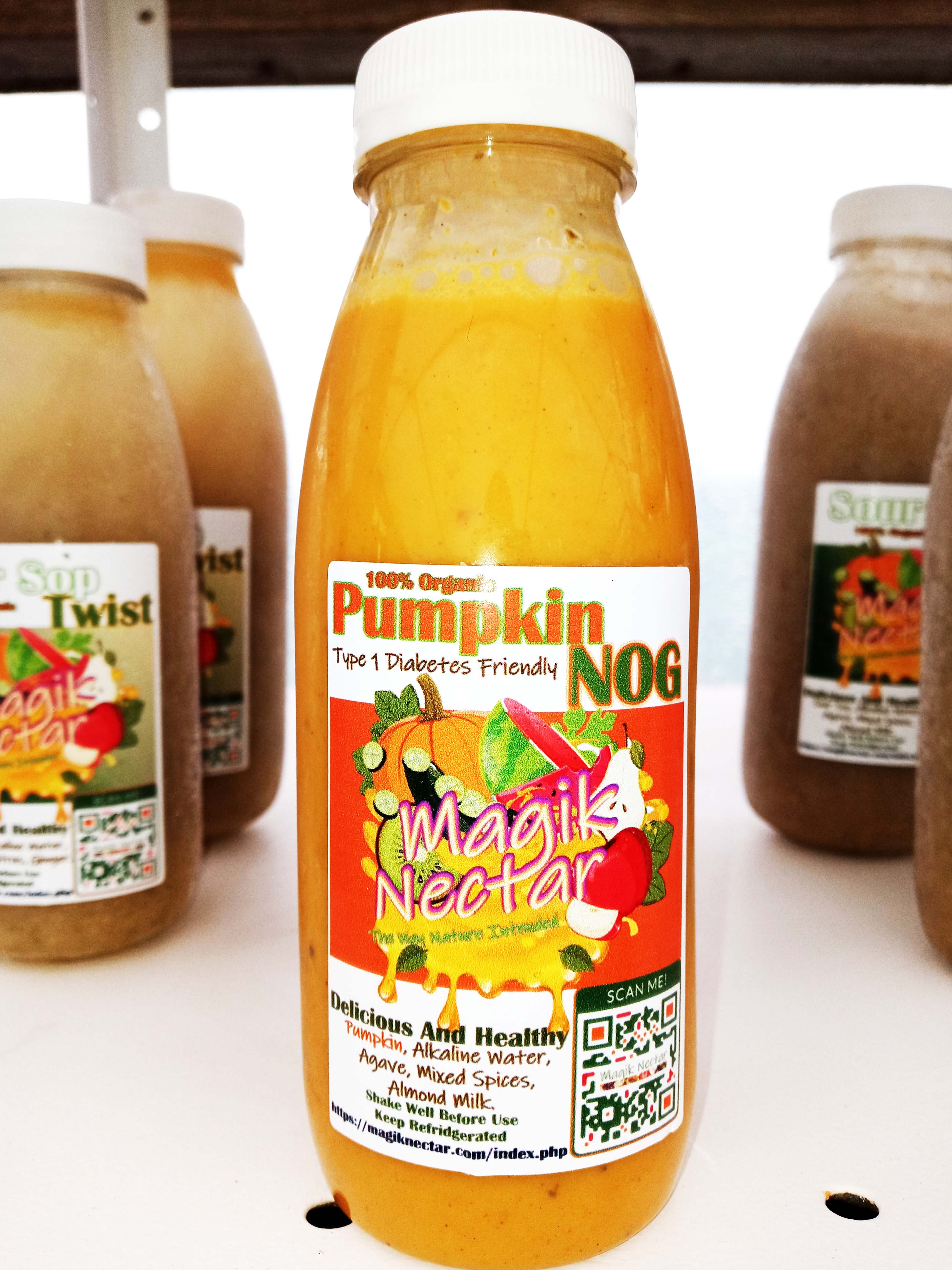
Pumpkin Nog
Sizes :
Pumpkin Nog 300ML ££5.00, Pumpkin Nog 500ML ££7.00,Benefits:
Pumpkin
Alkaline Water
Mixed Spices
Agave Nectar
Almond Milk
Description:
Health is paramount to what Magik Nectar do. Yes, our choice of Juices are delicious; however health benefit is our main motivator. delicious is a byproduct of doing it The Way nature Intended.
Health Benefits Of Pumpkin
Just like their orange cousins, the carrot, the sweet potato, and pumpkins are rich in beta carotene. Your body changes this antioxidant to vitamin A. You need vitamin A to see, ward off germs, and for your reproductive system to work the way it should. It also helps your heart, lungs, kidneys, and other organs stay healthy.
Great For Your Eyes.
One cup of pumpkin can give you 200% of your recommended daily vitamin A intake. Your eyes will love you for ingesting Pumpkins. Vitamin A helps you have healthy eyes and see more clearly, especially in low-light conditions. Pumpkin’s vitamin A kick brings another biggie: a lowered risk of certain kinds of cancer, like lung or prostate cancer. You don’t get the same protection from vitamin A supplements alone. In addition to beta carotene, pumpkins offer vitamin C, vitamin E, iron, and folate; all of which strengthen your immune system. More pumpkin in your diet can help your immune cells work better to ward off germs and speed healing when you get a wound. Pumpkin’s rich orange color is also a sign it’s packed with potassium. This is crucial for lowering blood pressure.
Unsalted pumpkin seeds are also crammed with minerals and plant sterols that raise HDL cholesterol levels (the “good” kind) and help keep blood pressure numbers down, too. More good news about pumpkins’ potassium power: Studies show that higher potassium levels can lower your risk of stroke, kidney stones, and type 2 diabetes. Another bonus: Potassium may also increase bone mineral density, boosting your bone health. Pumpkins are high in fiber and low in calories. That means they make you feel full without adding to your overall food intake for the day. If you’re looking for a healthy way to fill up, nutrient-rich pumpkin is a good go-to choice. The fiber uptick in your diet promotes digestive health, too, so what goes in comes out on a regular basis.
Pumpkin seeds have tryptophan, an amino acid that helps make a chemical called serotonin. In addition to making you feel good, serotonin is also a key player in promoting good sleep. The antioxidant power of beta carotene in pumpkin works to combat the effects of aging on your skin. It also helps ease inflammation, which keeps your skin -- and your body -- calmer and happier. Your odds of heart disease go down as your fiber intake goes up, and pumpkin is loaded with it. But it isn’t just the fiber that takes care of your ticker: The vitamin A and potassium you get when you add pumpkin to your diet also plays a part in your heart health.
Pumpkin has a special benefit for men.
Pumpkin seed are loaded with zinc. Zinc is particularly beneficial to men’s erectile function. Skip all the artificial erectile cures and simply stick to natural boosters such as Pumpkin. In most cases our bodies underperform simply because it lacks the fuel required to perform at its optimum By simply providing the requisite fuel the body will always be ready to deliver whenever required. Skip the pills; focus on putting in the correct fuels.
What are the best ways to consume Pumpkin?
With all the goodness pumpkins offer, surely an extra-large pumpkin spice latte with a pumpkin muffin can’t hurt. But experts say hold your horses. The best way to get pumpkin’s health benefits is to avoid the sugar and processing of baked goods or pumpkin flavor. Opt for more wholesome choices, like roasted pumpkin, pumpkin puree, pumpkin hummus, or pumpkin soup.
One the most common nutricianal deficiencies in people today is fibre and to help counterct that Magik Nectar has created delicius juices with very high fibre content.
An almond is a seed from a fruit that grows from an almond tree. The fruit holds a hard shell, like a pit, with the almond seed inside. Although technically seeds, almonds are considered nuts. People all over the world have been eating almonds for thousands of years. Today, about 80% of almonds are produced in California. You can find almonds in foods and even as added flavor in drinks around the world. If you’re looking for an addition to your diet that packs a healthy punch, a small serving of almonds from time to time can make a big difference. Nutrition Like many nuts, almonds provide plenty of nutrients. Nutrients per serving An ounce of whole almonds contains: Calories: 152 Protein: 6 grams Fat: 15 grams Carbohydrates: 6 grams Dietary fiber: 3 grams Sugar: 1 gram Almonds are also an excellent source of vitamins and minerals such as: Vitamin E Vitamin B2 Magnesium Phosphorus Potassium Portion size It’s easy to eat too many, which could mean you’re getting more calories and fat than you need. A healthy serving is 1/4 cup, or about 23 almonds. Health Benefits of Almonds The dense nutrition that almonds provide can benefit your body in a number of ways. If you're looking to strengthen your heart, your bones, or even your libido, almonds may help. Almonds could help you: Lower cholesterol Eating almonds helps to lower levels of the bad kind of cholesterol, called low-density lipoprotein (LDL), and increase levels of the good kind, high-density lipoprotein (HDL). Almonds also have anti-inflammatory properties to help protect you from heart disease. Keep a healthy weight Although they're high in calories, almonds could help to reduce your risk of weight gain and obesity — as long as you pay attention to portion size. The protein and fiber in the nuts helps you feel full faster, so you can better control your calorie intake while still satisfying your hunger. Lower blood pressure The vitamin E, potassium, and calcium in almonds could help to lower your blood pressure, which helps protect against heart disease. RELATED: Surprising Reasons You're Gaining Weight Get essential vitamins, minerals, and fiber Almonds are rich in important nutrients for your body, including magnesium, vitamin E, and fiber. Strengthen bones Almonds have both calcium and phosphorus, which are good for bone health. Improve blood sugar control Almonds seem to help curb blood sugar spikes after meals, which is key for people with diabetes. Improve gut health Recent research appears to suggest that almonds may help protect the health and immunity of your gastrointestinal (GI) tract. A healthier gut means a better immune system and a stronger body.
An almond originates as the seed of a fruit grown on the almond tree. Encased within a tough shell akin to a pit, the almond seed is nestled inside the fruit. Despite their classification as seeds, almonds are commonly regarded as nuts.
For millennia, almonds have been a dietary staple worldwide. Presently, approximately 80% of global almond production transpires in California. Almonds feature prominently in various cuisines and are often used to enhance the flavor of beverages.
Incorporating almonds into your diet sporadically can offer significant nutritional benefits.
Nutritional Value
Almonds boast a rich array of nutrients, typical of many nuts. Per serving:
- Calories: 152
- Protein: 6 grams
- Fat: 15 grams
- Carbohydrates: 6 grams
- Dietary fiber: 3 grams
- Sugar: 1 gram
Moreover, almonds serve as an abundant source of essential vitamins and minerals, including:
- Vitamin E
- Vitamin B2
- Magnesium
- Phosphorus
- Potassium
Serving Size
It's crucial to moderate intake, as overconsumption can lead to an excess of calories and fat. A recommended serving size is 1/4 cup, equivalent to roughly 23 almonds.
Health Benefits
Almonds offer dense nutrition, imparting various health advantages to the body. These benefits encompass cardiovascular health, bone strength, and potentially even libido enhancement.
-
Lower Cholesterol: Almonds aid in reducing levels of LDL (low-density lipoprotein) cholesterol while elevating HDL (high-density lipoprotein) cholesterol, thus mitigating the risk of heart disease. Additionally, almonds possess anti-inflammatory properties that contribute to cardiac protection.
-
Weight Management: Despite their calorie density, almonds can help stave off weight gain and obesity when consumed in moderation. Their protein and fiber content promotes satiety, facilitating better control over calorie intake without sacrificing satisfaction.
-
Blood Pressure Regulation: The presence of vitamin E, potassium, and calcium in almonds supports blood pressure regulation, which is pivotal for cardiovascular health.
-
Nutrient Richness: Almonds are abundant in vital nutrients such as magnesium, vitamin E, and fiber, crucial for overall well-being.
-
Bone Health: With their calcium and phosphorus content, almonds foster bone strength.
-
Blood Sugar Control: Almonds demonstrate the potential to attenuate blood sugar spikes post-meals, particularly beneficial for individuals with diabetes.
-
Gut Health Improvement: Emerging research suggests that almonds may contribute to gastrointestinal tract health, bolstering immunity and overall bodily resilience.